


When choosing a box, dimensions, type, functionality, and other criteria are important. Containers and packaging, the difference between which lies precisely in their purpose, belong to different categories. Understanding which category a product belongs to, and therefore its key characteristics, makes it possible to determine product requirements more accurately and order an optimally designed solution from ATTOLIS.
Differences Between Containers and Packaging
The terms are often considered interchangeable synonyms, but in fact, each has its own meaning:
- container – intended directly for holding the product;
- packaging – covers a set of means and materials that ensure the preservation of the product.
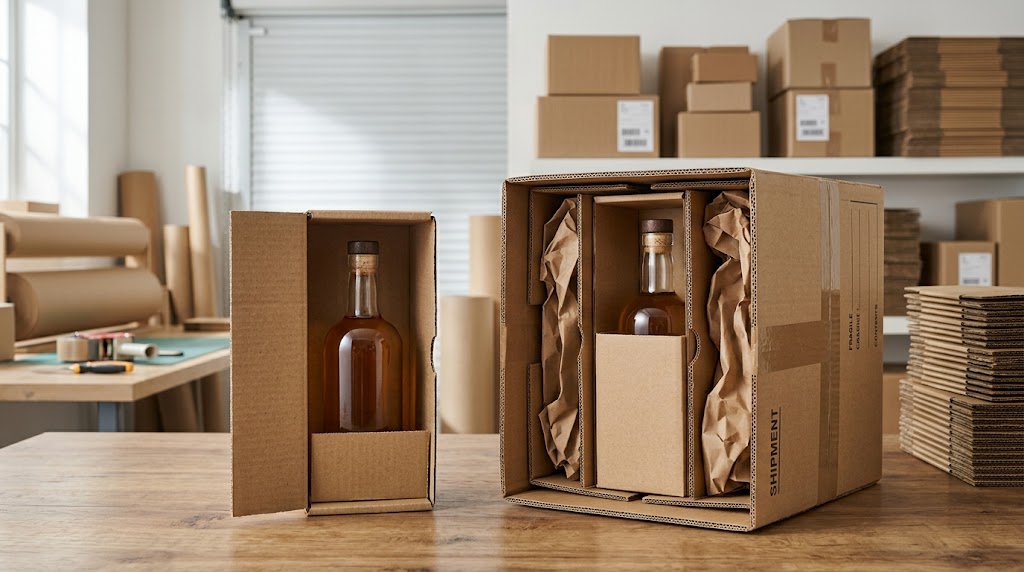
What is the difference between a container and packaging? The distinction is easy to understand with a specific example: a glass bottle containing a beverage serves as its container. Meanwhile, mailing boxes with dividers, labels, protective inserts, or other elements are already considered a packaging system in which products are prepared for transportation and sale.
Marketing Functions of Packaging
A protective outer layer can also become a means of attracting attention. On a store shelf or when receiving an order, the customer interacts with the packaging first, so its appearance, construction, and informational content influence perception even before contact with the product itself. Containers and packaging can perform the following functions:
- identification – corporate colors, a logo, name, and distinctive graphic elements make it possible to quickly distinguish a brand from similar offers;
- communication – information about the product’s properties, composition, or other important characteristics;
- presentation – a well-designed box makes the unboxing process an important part of the user experience.
High-quality cardboard packaging becomes an additional advertising tool that contributes to creating a positive impression. Effective visual presentation, an emphasis on advantages, and accessible information all stimulate interest, thereby increasing demand.
Types of Containers by Returnability
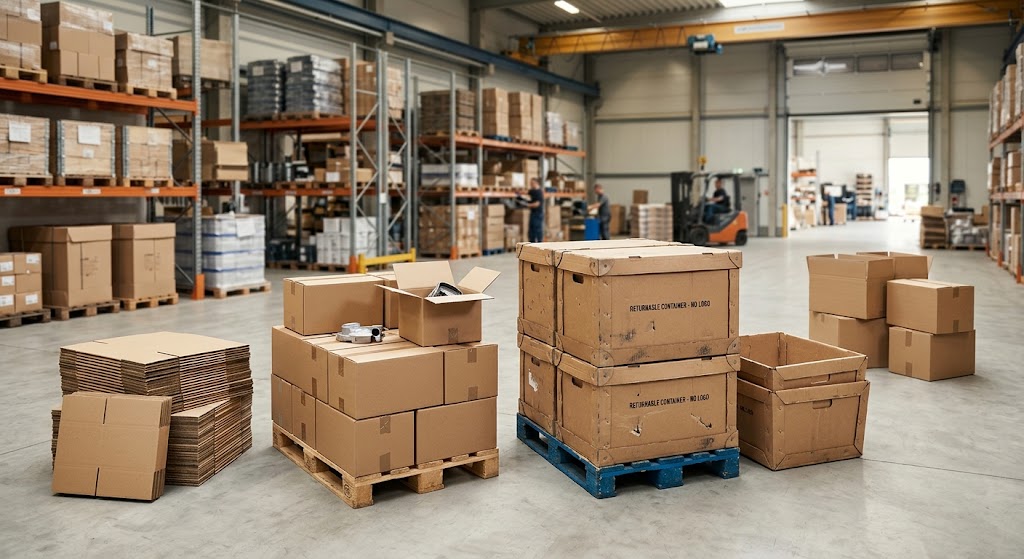
Another important classification criterion is whether a box can be returned after use and used again. This is especially relevant when products are regularly moved between the manufacturer, warehouse, retail outlets, and other participants in the supply chain. Several categories can be distinguished:
- returnable – returned to the supplier or another participant in the supply chain after the product has been removed;
- non-returnable – after serving its primary purpose, it can be sent for disposal or recycling;
- reusable – designed for repeated use across several circulation cycles, so it must withstand active use while protecting goods over an extended period;
- single-use – intended primarily for one cycle.
Returnability has both organizational and economic significance. With a reusable system, it is necessary to consider reverse logistics, collection, sorting, cleaning, storage, and condition monitoring. A non-returnable option involves fewer such operations, but new batches have to be purchased regularly.
The selection of packaging solutions should take into account numerous details and nuances that determine their functionality, practicality, and suitability for the intended purpose. ATTOLIS managers carefully analyze each request and, if necessary, will explain the difference between containers and packaging in detail. Most importantly, they will offer the best options based on the required format, the purpose of the construction, and the available budget. Once all details are approved, the experienced team will promptly begin production of the batch.
Order a box from ATTOLIS
| Appearance | Manufacturing Material | Scope of Application |
|---|---|---|
 |
||
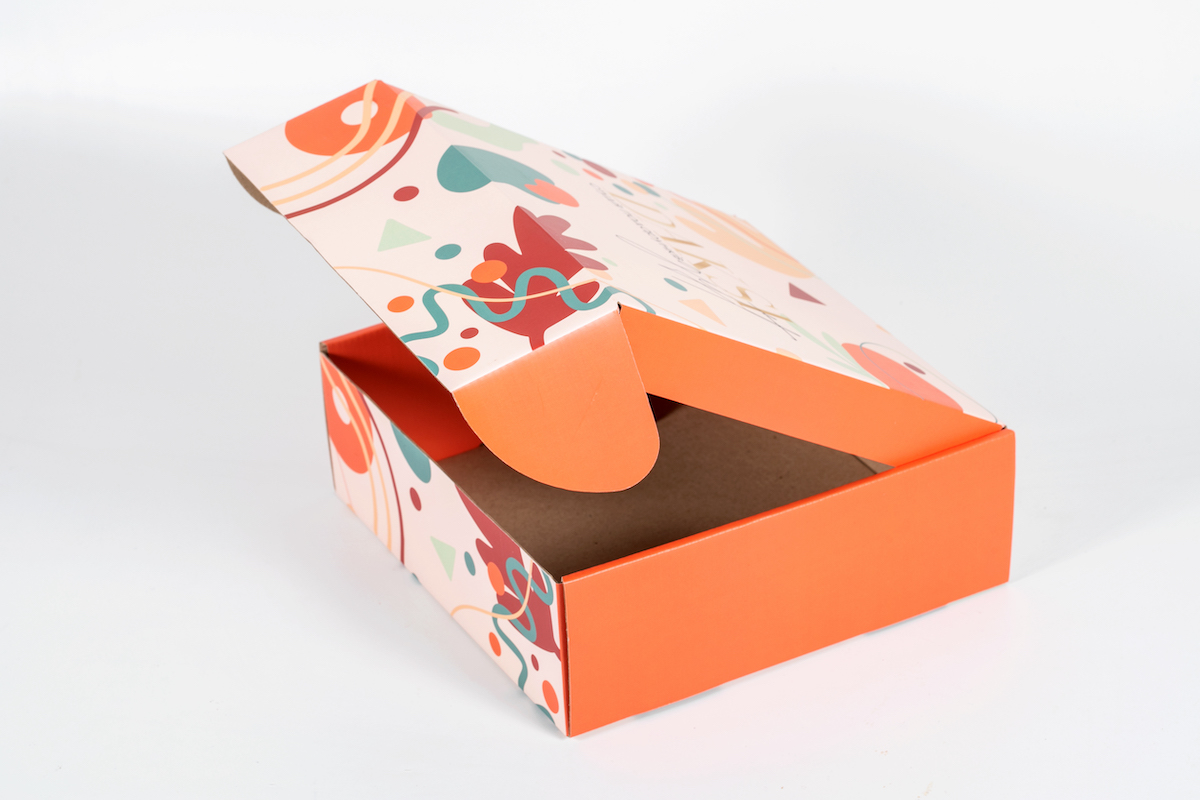
| Self-assembling boxes | cardboard, corrugated fiberboard, designer cardboard 200 mg (brand: T-22 E-wave) | packaging for food products; boxes for confectionery; children's goods packaging; for small appliances |
 |
||
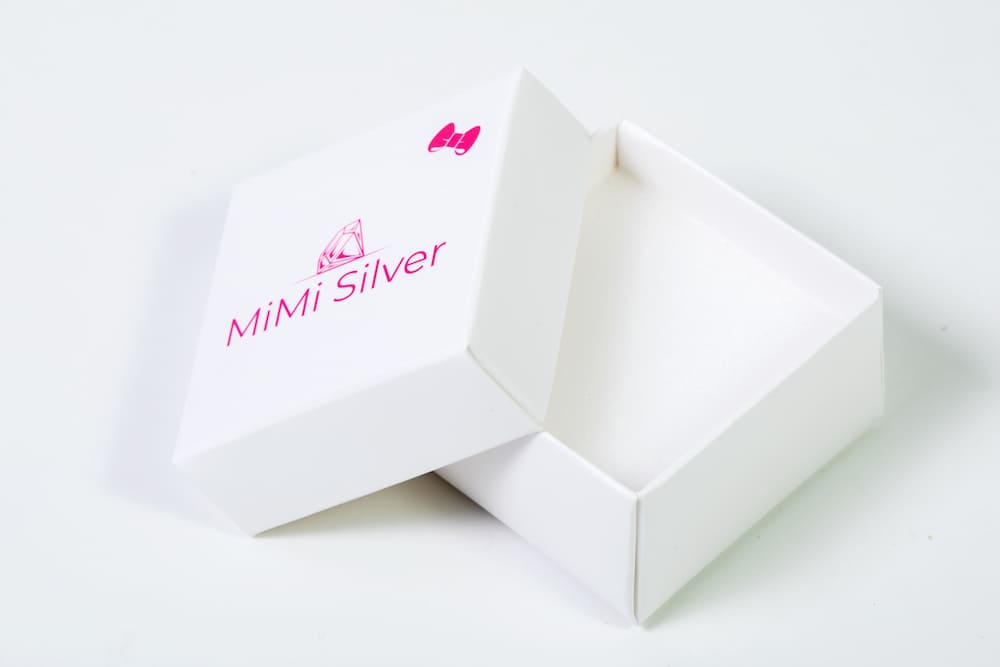
| Lid bottom | laminated cardboard, laminated corrugated cardboard, binding cardboard, micro-corrugated cardboard brands: T-22, T-24 (E-wave) | perfume packaging; boxes for jewelry; confectionery; gift products; bed linen |
 |
||
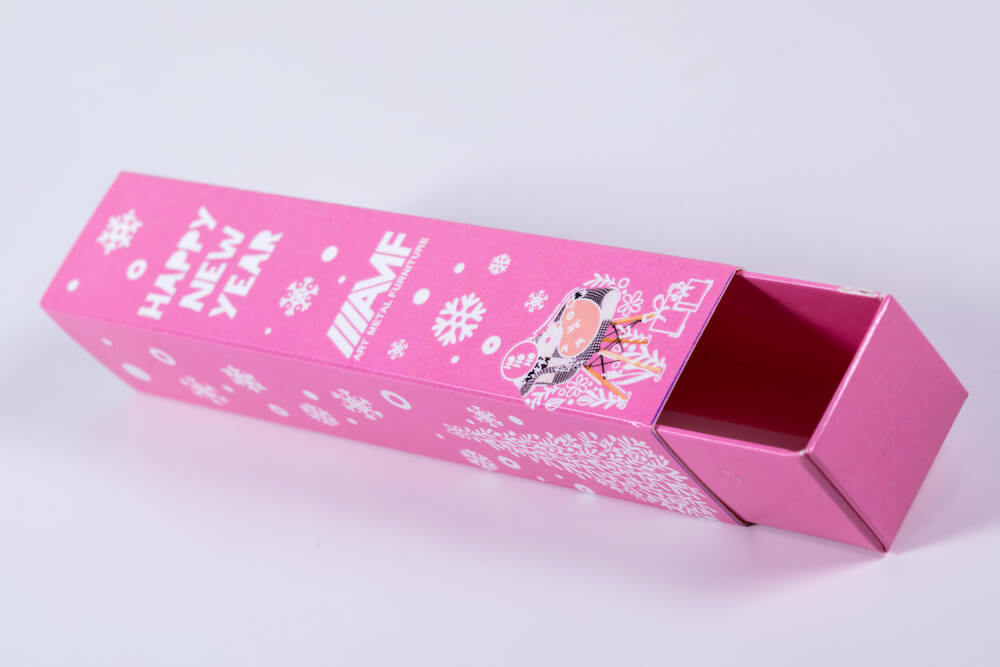
| Penal boxes | thin or thick cardboard (craft, plain, colored, or printed), cellulose cardboard (brand: T-22 cardboard density 275 g/sq. m.) | packaging for gift products; confectionery; children's goods |
 |
||
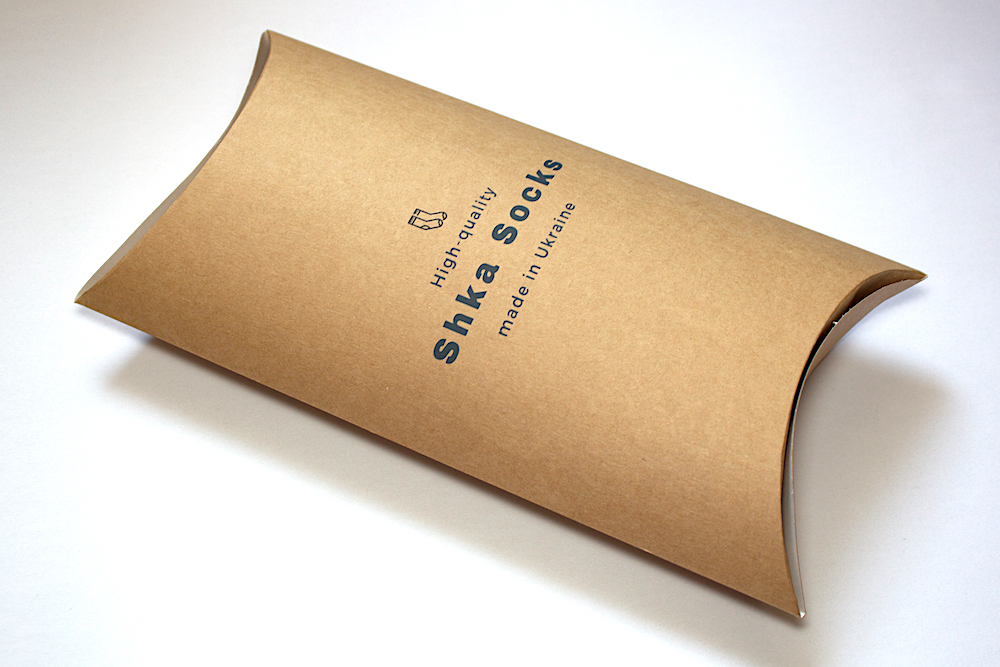
| Pillow boxes | Cardboard, brown kraft-catron (cardboard of 250 g/sq. m.) | sock packaging; jewelry or ornaments |