


The weight of packaging is an important parameter that affects logistics costs, storage convenience, and the safety of product transportation. Even a small difference in mass for large batches can significantly increase shipping costs or complicate warehouse operations. Understanding how much a box weighs and what affects this indicator helps calculate the allowable pallet load and avoid unnecessary expenses.
Factors Affecting Box Weight
During production, specialists consider the characteristics of materials and packaging dimensions. The overall mass of the product depends on:
- Type of cardboard – double- and triple-layer corrugated cardboard is commonly used, but five- and seven-layer cardboard also exists. The more layers, the stronger the cardboard, and therefore the heavier the box.
- Grade and density of paper – different types are used, such as liner and fluting. Material density is measured in grams per m², determining the finished product’s weight.
- Corrugation thickness – the profile (A, B, C, E) determines the wave height and cardboard thickness: a higher wave provides better cushioning but increases overall packaging weight.
The larger and sturdier self-assembly boxes, the more cardboard is needed, which defines the packaging weight. Additional elements for transport safety also affect weight: reinforced flaps, double bottoms, inserts, or partitions.
Weight Dependence on Box Design
Even using the same materials, different types of boxes can differ significantly in mass. This depends on the amount of cardboard used, connection methods, and assembly style. Common solutions include:
- Four-flap boxes – classic transport packaging, consisting of 4 flaps on top and bottom, closed with tape or glue;
- Self-assembly – require no tools or adhesives, often lighter than four-flap boxes due to lower cardboard consumption;
- With reinforced bottom – for bulky and heavy items: a 60x40x40 box can be heavier than a similar box without extra layers or ribs;
- With internal inserts – securely fix contents but add extra weight.
The choice depends on packaging usage: consider product shape, transportation conditions, and packing speed requirements. ATTOLIS managers help find a balance between strength and cost-efficiency.
Formulas for Calculating Box Weight
For accurate shipping planning and cost forecasting, it is important to know how to calculate the weight of an empty box. The basic formula includes:
- Determining the blank area – sum of all parts of the structure: walls, flaps, and technical allowances;
- Considering cardboard density – each material type has a specified g/m² value;
- Multiplying area by density – multiplying these two values shows the packaging weight in grams.
If the product includes inserts, reinforcements, or decorative elements, they must be added to the total calculation. This method allows fairly accurate determination of packaging weight at the design stage, which is especially important for companies and retailers shipping large batches and aiming to optimize logistics costs.
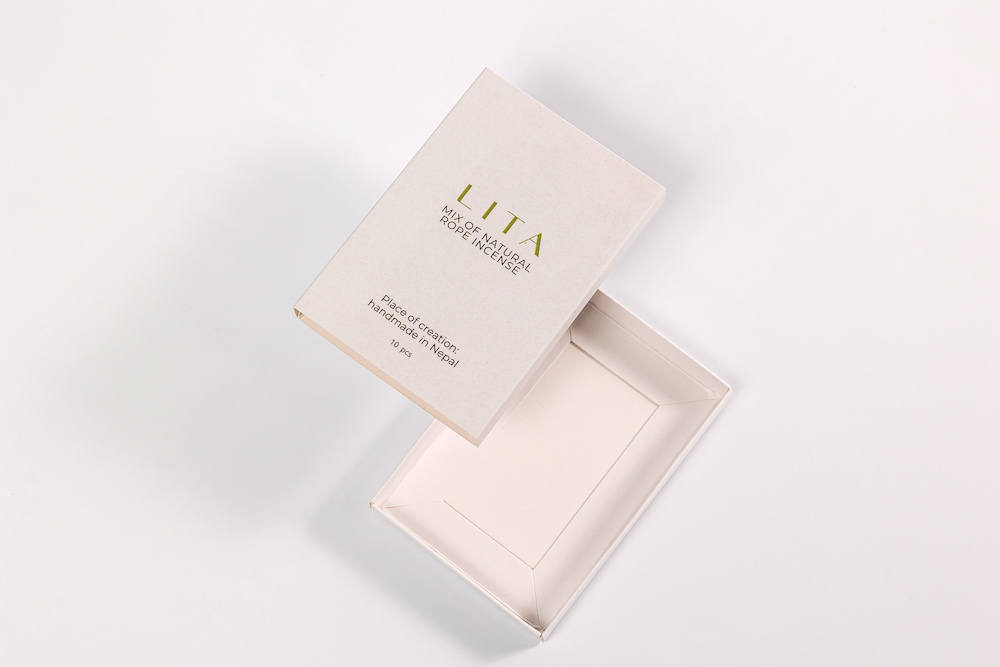
How to Reduce Packaging Weight Without Losing Reliability
The lighter the box, the easier to handle and the lower the costs. However, cost-saving should not be a priority – it is more important to ensure product safety, so strength and protective properties must be maintained. This can be done in several ways.
Custom Size Selection
Helps avoid material waste and minimize the use of fillers often used to secure products. When the box is significantly larger than the item, empty space is filled with auxiliary materials:
- Paper;
- Air cushions;
- Cardboard inserts.
Choosing the optimal size allows efficient use of internal space, reduces the weight of the empty box, and occupies less storage and transport space.
Die-Cutting
This technology cuts cardboard using a special die. It allows creating boxes with complex geometry, adding fasteners, locks, and assembly elements. The precise blank shape significantly reduces excess cardboard, which in standard boxes is often used only for technical allowances.
Besides functionality, die-cutting enables more expressive design:
- Shaped elements;
- Clean cut-outs;
- Original flap shapes.
Ordering custom boxes allows implementing any idea so that the product perfectly fits the items it is designed for.
Preference for Self-Assembly Designs
No glue, tape, or other fasteners are required. The design includes a system of folds, locks, and fasteners, allowing the box to easily take the desired shape. This technology reduces material use compared to classic four-flap boxes, where some cardboard is used only for closing flaps.
Ordering Custom Packaging at ATTOLIS
Packaging designed according to product size, transport specifics, and brand requirements protects the product while optimizing material, logistics, and storage costs.
Managers calculate the cardboard box weight, suggest optimization options, and provide custom packaging solutions if needed. The final design perfectly matches the product and business specifics.
Order a box from ATTOLIS
| Appearance | Manufacturing Material | Scope of Application |
|---|---|---|
 |
||
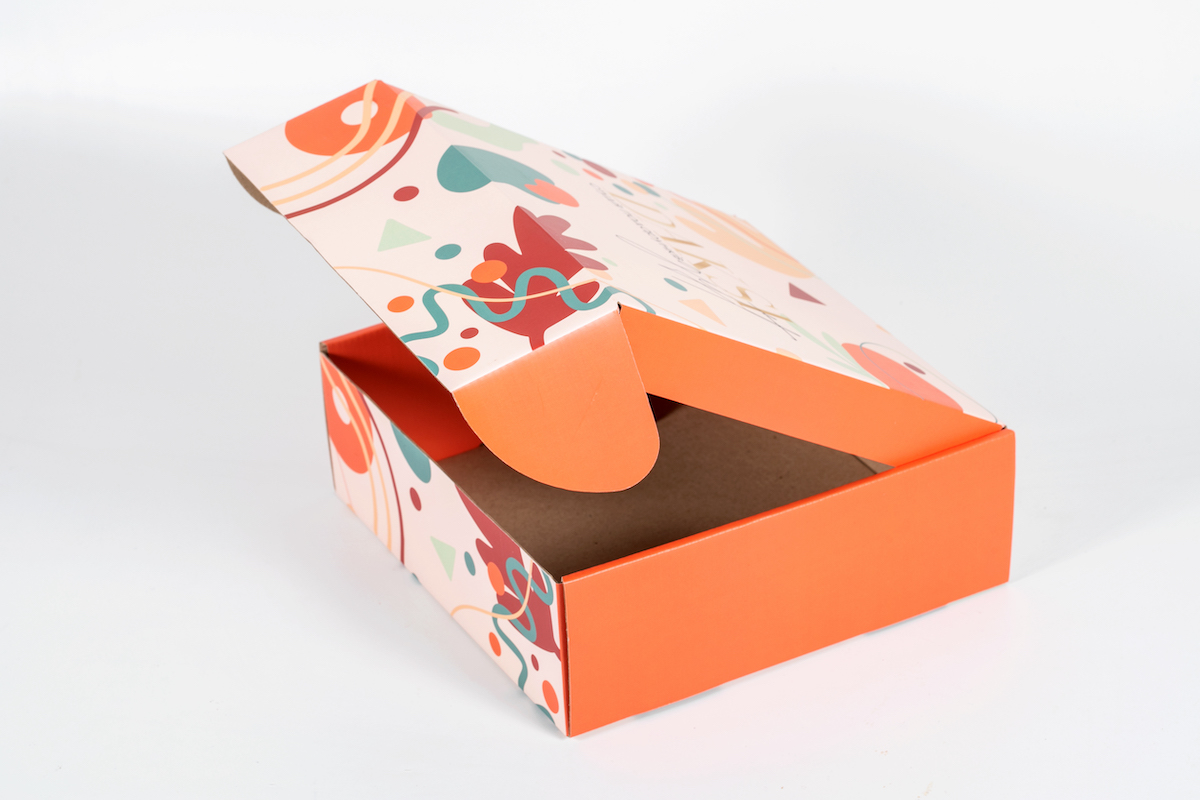
| Self-assembling boxes | cardboard, corrugated fiberboard, designer cardboard 200 mg (brand: T-22 E-wave) | packaging for food products; boxes for confectionery; children's goods packaging; for small appliances |
 |
||
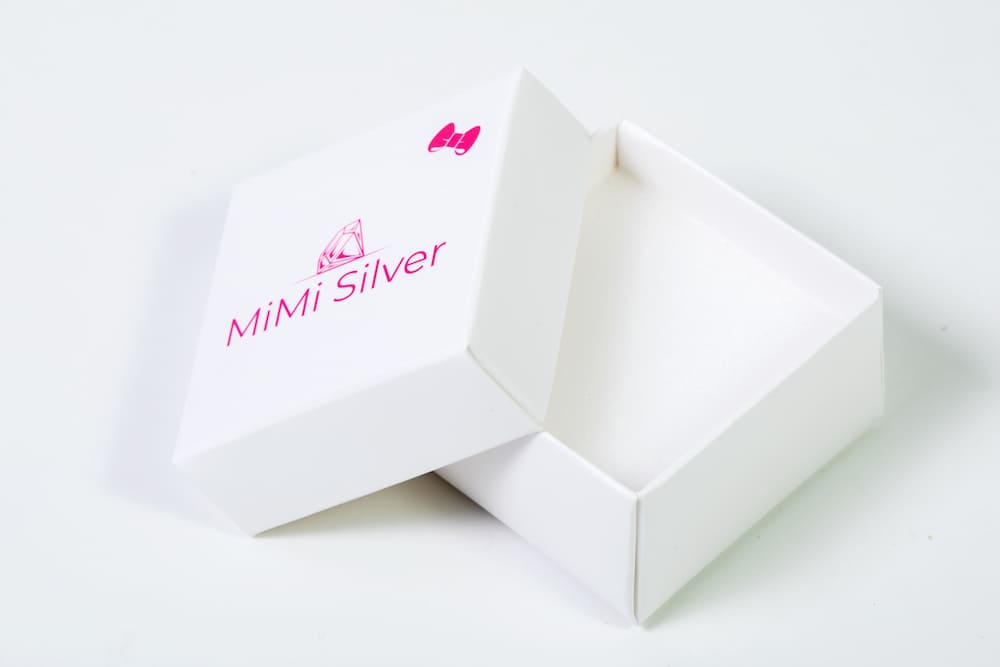
| Lid bottom | laminated cardboard, laminated corrugated cardboard, binding cardboard, micro-corrugated cardboard brands: T-22, T-24 (E-wave) | perfume packaging; boxes for jewelry; confectionery; gift products; bed linen |
 |
||
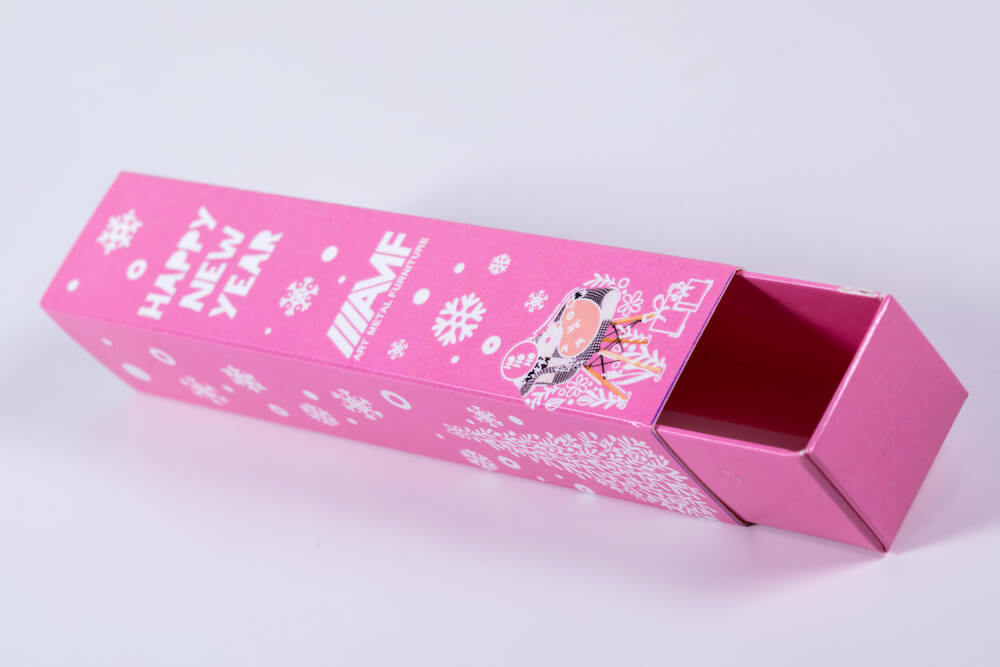
| Penal boxes | thin or thick cardboard (craft, plain, colored, or printed), cellulose cardboard (brand: T-22 cardboard density 275 g/sq. m.) | packaging for gift products; confectionery; children's goods |
 |
||
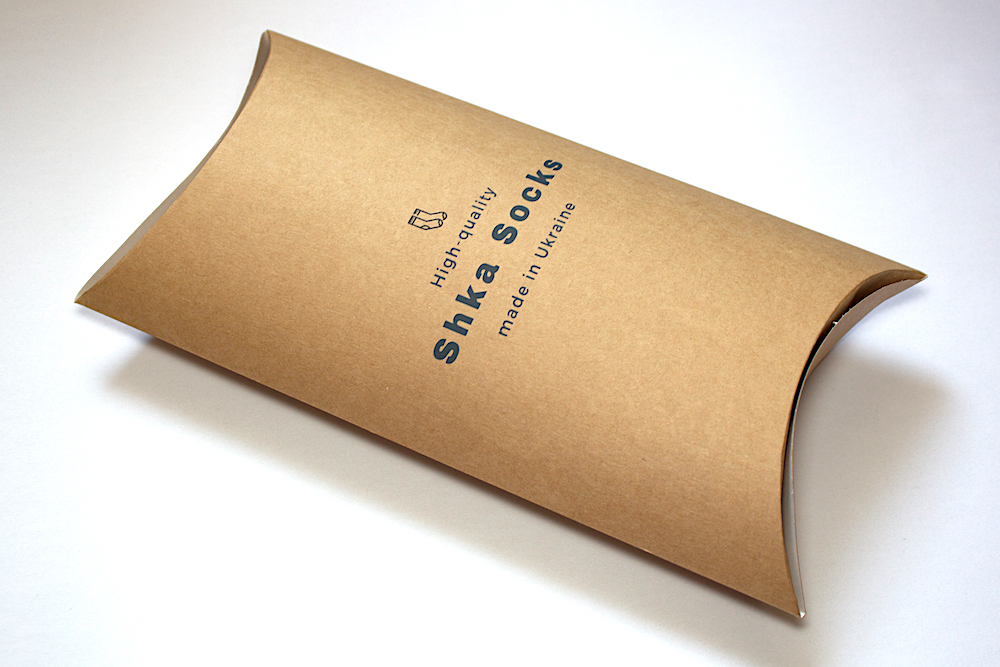
| Pillow boxes | Cardboard, brown kraft-catron (cardboard of 250 g/sq. m.) | sock packaging; jewelry or ornaments |
Special offer from ATTOLIS
Modern production equipment allows us to offer customers the widest range of services available. Experienced managers will select the optimal design options for packaging materials depending on the specifics of the goods and the positioning of the business. After agreeing on the terms of the project, a preliminary calculation will be performed. And to save money, it is profitable to order gift boxes with embossing in bulk – and large quantities will be promptly manufactured and delivered to the recipient. The weight of the packaging is influenced by: Shipping boxes are typically made of corrugated cardboard, which means they are lightweight yet highly durable. This helps reduce logistics costs and protects the goods during transport.
What determines the weight of a box?
How much does the shipping box weigh?