


An ideal design on screen may disappoint once printed and assembled: the logo may be misaligned, the flaps may not close properly, or the size may be wrong. A box layout lets you check in advance how a flat sheet of cardboard will become a finished product, how accurately the components will fit together, and what the packaging will look like inside and out. ATTOLIS offers custom packaging production tailored to the product, structural requirements, and design preferences.
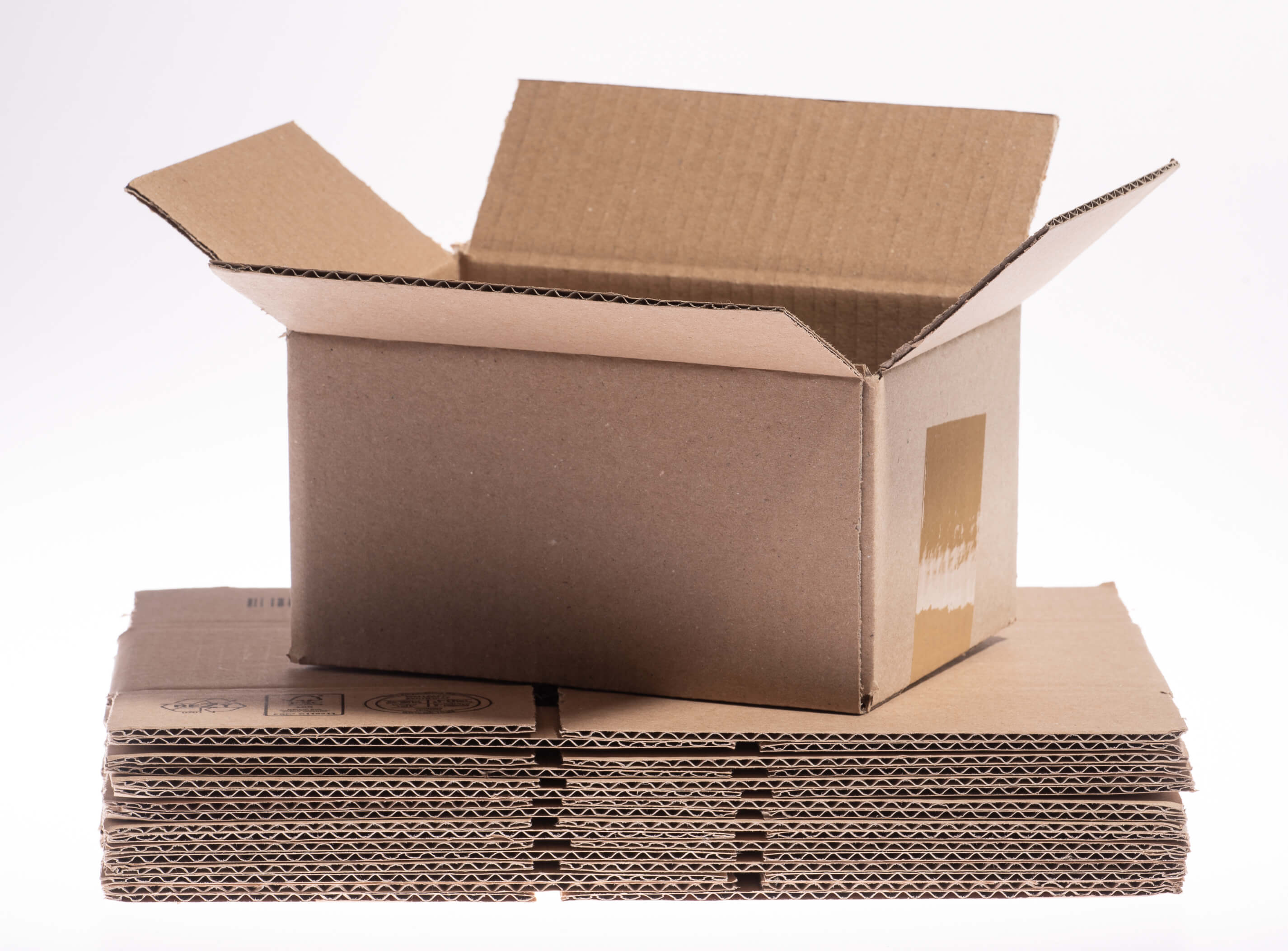
What are a box layout and dieline?
They form the technical basis of a future package, defining its dimensions, component placement, and assembly method. A box dieline is a flat representation of all panels, flaps, and other parts joined into one shape. Its main technical elements are:
- die-cut outline — the line along which a blank is cut from sheet material;
- cutting lines — sections where the material is cut all the way through;
- fold or creasing lines — places where grooves are formed in the board to guide folding.
A structural layout is a box drawing without the final artwork. It is used to check geometry, joints, and ease of assembly. These features are checked before a print run: even a small geometric error can cause flaps to misalign or panels to skew. A trial assembly helps identify such defects in time.
What does a box layout include?
A dieline contains the panels of the future box as well as production features. Each part has a specific function:
- cutting lines define the edges of the blank and the outlines of internal openings;
- creasing lines mark folds and help create the intended geometry;
- box flaps join panels, close the package, or secure its contents;
- glue areas are intended for adhesive application and joining separate sections.
A dimensioned box drawing helps position artwork correctly in relation to cutting and folding lines. Bleed extends the artwork beyond the cutting line so that no unprinted strips remain after die-cutting. The safe area defines where text, logos, and other essential elements can be placed, allowing for margins from edges and folds.
How to determine box dimensions
Measure the length, width, and height of the contents in the position in which they will be packed. For irregularly shaped items, allow for protruding parts and additional accessories. Internal box dimensions determine the usable space, while external dimensions affect the overall size of the finished package.
The package should leave sufficient clearance for the product without excessive pressure on the walls, including space for possible protective inserts and cushioning materials.
Board thickness affects fold geometry, usable volume, and the dimensions of the outer panels. A finished dieline often needs to be adjusted to the actual product dimensions and the selected material.
Main box constructions
The construction determines appearance, assembly method, ease of use, and material requirements. ATTOLIS offers custom-made boxes, including:
- self-assembly boxes;
- lid-and-base boxes;
- sleeve-style boxes;
- cases;
- pillow boxes;
- four-flap boxes.
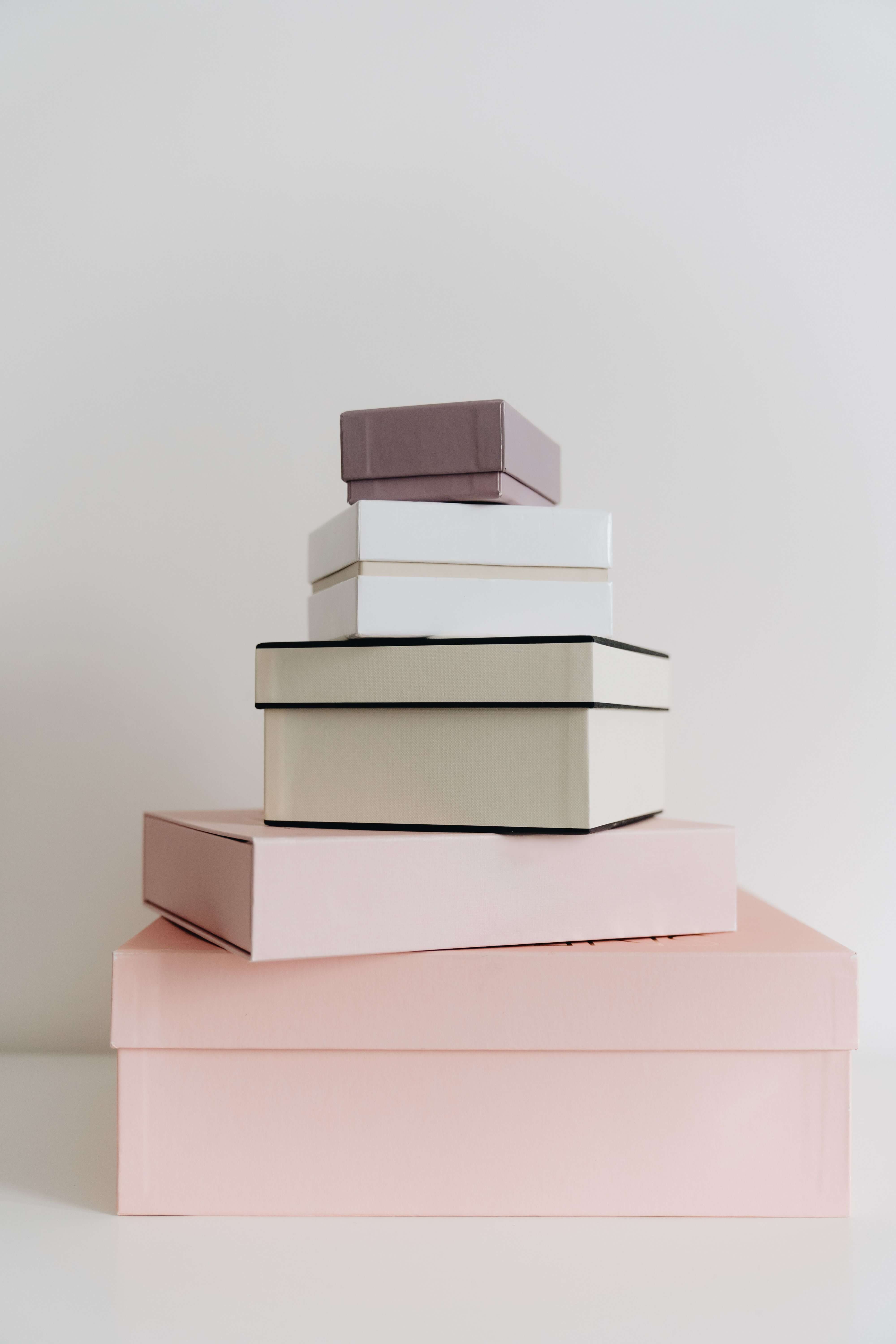
There is no universal solution for all products. A box template is selected based on the item's dimensions and weight, the structural characteristics, and the packaging requirements.
How to prepare artwork for a dieline
After assembly, the artwork must remain on the intended panels rather than shifting onto folds. Basic rules:
- place the logo and product name on the front panel;
- orient text so it remains readable after assembly;
- keep important elements away from creasing lines and glue areas.
Extend background images beyond cutting lines and align designs across adjacent panels. Prepare the artwork as a PDF or AI file using the drawing, cutting and folding lines, and the required bleed allowance; then inspect an assembled sample.
Print-ready artwork requirements
The file must follow the specified production requirements, including:
- CMYK colour mode;
- bleed beyond the cutting line;
- a safe area.
Logos, outlines, and simple illustrations should preferably be supplied as vectors so they can be resized without losing sharpness. Convert fonts to outlines to avoid font substitution on another computer. For photographs and complex graphics, a resolution of approximately 300 dpi at final size is commonly used unless the printing process specifies otherwise. Keep cutting and creasing lines on a separate layer.
Common box layout mistakes
Design problems often become apparent only after a prototype is made or the print run begins. Typical mistakes include:
- incorrect dimensions;
- missing bleed;
- low image resolution;
- RGB instead of CMYK;
- text placed too close to the cutting edge;
- confusing cutting and creasing lines.
To prevent these problems, check the print-ready box layout against a technical checklist and assemble a prototype. Correcting the structure and artwork before production is easier than remaking an entire batch.
From layout to finished print run
Packaging production consists of several stages, each with specific checks:
- structural review — assess box dimensions, dieline, and assembly method;
- artwork approval — check the position of graphics, text, and brand elements;
- prototype production — test shape, strength, and ease of assembly;
- printing — apply the artwork using the selected method;
- die-cutting and creasing — cut the blank and form the fold lines;
- gluing — join the box components and inspect the finished packaging.
The dimensioned box drawing is the basis for making the blank and helps ensure accurate dimensions and cutting and folding lines. It is used to verify that the structure matches the approved layout before production starts. ATTOLIS offers cardboard packaging production, covering the required preparation and manufacturing stages in accordance with the construction and artwork specifications.