


The foundation for many common design solutions has been the simplest everyday objects. A great example of this transformation is the matchbox: the sliding construction idea is now активно used for cosmetics, gifts, premium accessories, and jewelry. At the same time, the principle invented over a century ago remains fully preserved. This compact solution for storing matches made it possible to create slider boxes: the inner part smoothly slides out of the outer «sleeve». Thanks to the minimalist rectangular shape, they are convenient for manufacturing and storage.
The history of matchboxes
Matches appeared long before containers for them, so for a long time they were stored in tin or wooden cases. In 1889, Joshua Pusey created his version of the matchbox, which looked like the familiar format: a cardboard box with a sliding tray and a striker on the side. However, the official patent was granted to the American company Diamond Match Company, which предложила a similar design but with the ignition strip moved to the outside, whereas in Pusey’s version it was located inside the box. Very quickly, manufacturers realized that this was not just packaging but an ideal mini-platform for communication with consumers, and they began активно using its surface for bright advertising. This was due to several reasons:
- mass appeal – everyone used them, from aristocrats to workers;
- affordability – it was the cheapest «design medium» of its time;
- advertising potential – the ability to place any information: logos, slogans, illustrations.
The matchbox became the prototype for an entire class of packaging solutions. Modern brands refine this idea by adding thicker types of cardboard, soft matte lamination, embossing, or contrasting box sleeves, but the core principle remains the same. This allows the packaging to perfectly complement branded collections and strengthen the main message, which generates a positive response from consumers.
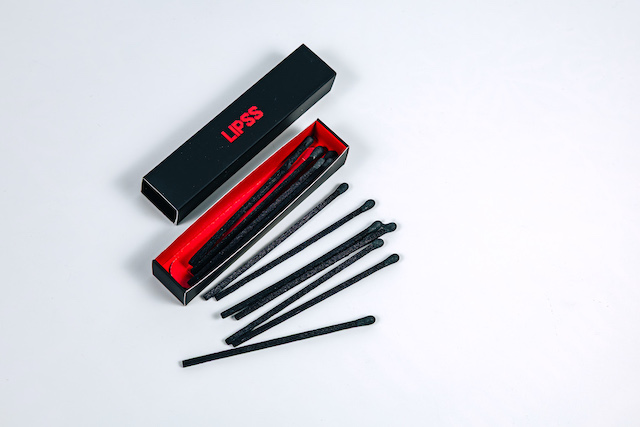
Construction, dimensions, and capacity of a matchbox
The standard solution consists of an outer sleeve and an inner sliding tray that holds the matches. On the side there is an abrasive ignition strip that should be rough enough, but not too aggressive, so it does not damage the match heads prematurely. The main конструктивні characteristics are:
- size – approximately 50*35*15 mm;
- material – dense cardboard, sometimes reinforced with additional layers;
- capacity – usually 40–60 matches depending on their thickness.
The dimensions of matchboxes may vary among manufacturers. An abrasive strip – a mixture of phosphorus and abrasive particles – is always present and applied locally.
This logic – combining an outer shell and an inner insert – is used even in premium packaging, where cardboard is replaced with more expensive materials such as plywood or designer paper. The engineering idea is preserved, but presented in a more refined execution.
Bright designs of matchboxes
Initially, such packaging solutions were purely utilitarian and almost faceless, but over time they turned into small works of graphic art. Manufacturers, artists, and designers experimented with colors, fonts, and illustrations, transforming an ordinary box into a visual accent. The following details gave the design its expressiveness:
- miniature format – every element had to be concise, and every stroke precise;
- contrasting colors – red, blue, black, and gold were widely used to attract attention;
- story-driven illustrations – from everyday scenes to symbolic imagery.
The idea proved so successful that designers only needed to slightly increase the size and volume of a matchbox to obtain a universal construction suitable for various product categories.
ATTOLIS offers clients fast production of slider boxes according to specified parameters and in the chosen design style. After the layout is approved, the team promptly proceeds with the implementation.
Order a box from ATTOLIS
| Appearance | Manufacturing Material | Scope of Application |
|---|---|---|
 |
||
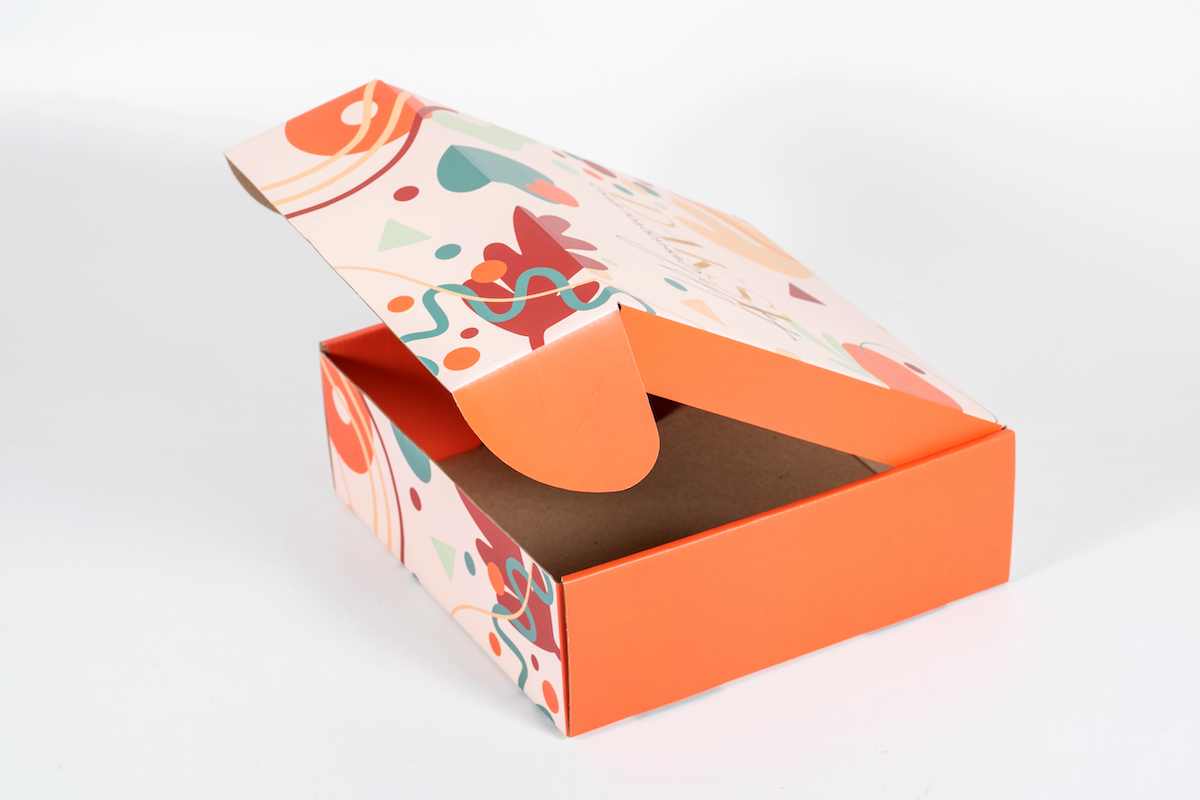
| Self-assembling boxes | cardboard, corrugated fiberboard, designer cardboard 200 mg (brand: T-22 E-wave) | packaging for food products; boxes for confectionery; children's goods packaging; for small appliances |
 |
||
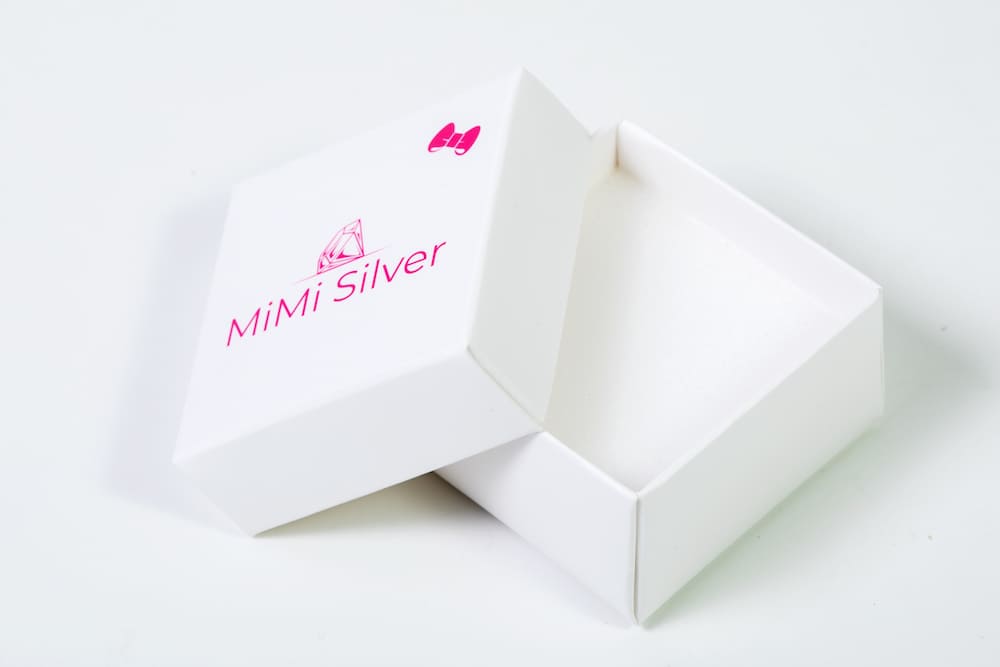
| Lid bottom | laminated cardboard, laminated corrugated cardboard, binding cardboard, micro-corrugated cardboard brands: T-22, T-24 (E-wave) | perfume packaging; boxes for jewelry; confectionery; gift products; bed linen |
 |
||
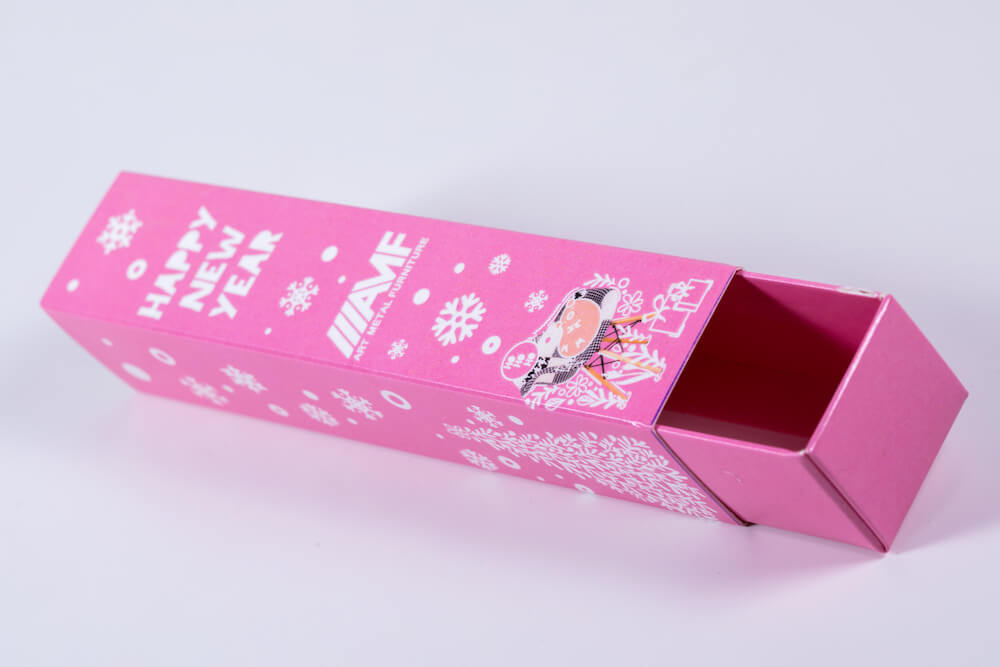
| Penal boxes | thin or thick cardboard (craft, plain, colored, or printed), cellulose cardboard (brand: T-22 cardboard density 275 g/sq. m.) | packaging for gift products; confectionery; children's goods |
 |
||
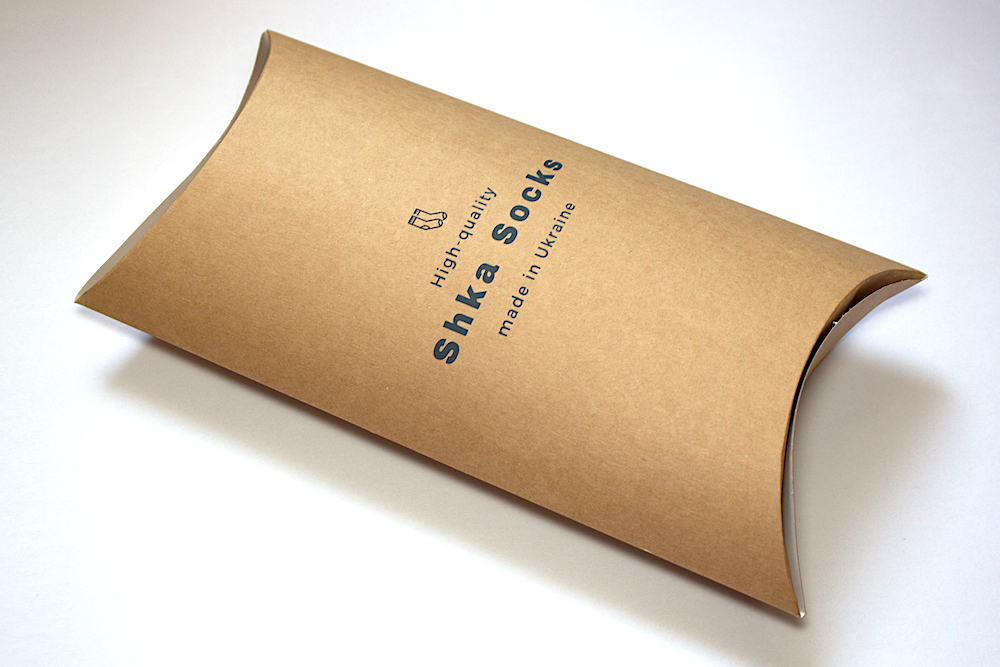
| Pillow boxes | Cardboard, brown kraft-catron (cardboard of 250 g/sq. m.) | sock packaging; jewelry or ornaments |
Special offer from ATTOLIS
Modern production equipment allows us to offer customers the widest range of services available. Experienced managers will select the optimal design options for packaging materials depending on the specifics of the goods and the positioning of the business. After agreeing on the terms of the project, a preliminary calculation will be performed. And to save money, it is profitable to order gift boxes with embossing in bulk – and large quantities will be promptly manufactured and delivered to the recipient.