


Packaging can attract a buyer's attention even before they see the product itself. Printing on boxes helps express a brand's identity, distinguish the product, and turn an ordinary container into an effective communication tool. ATTOLIS offers packaging tailored to product characteristics, corporate identity, and artwork requirements.
Which printing methods are used on boxes?
Different technologies are available for applying images:
- digital printing;
- offset printing;
- screen printing on boxes.
Foil stamping and UV varnishing highlight selected design elements with texture, metallic shine, or gloss.
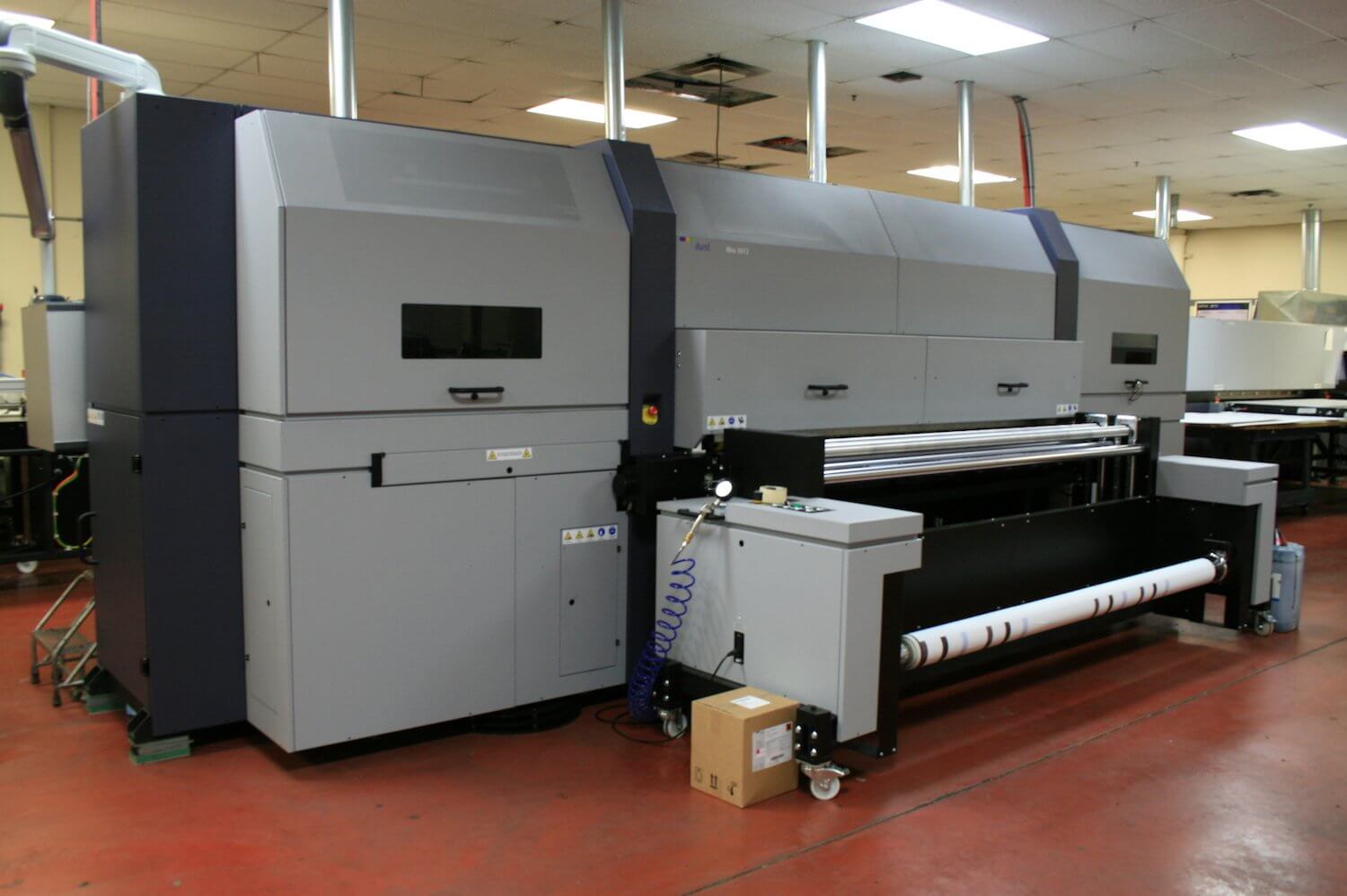
Digital printing
Digital printing transfers an image directly from an electronic file without making conventional printing plates. Its main benefits are:
- cost-effective for small and medium print runs;
- fast production setup;
- personalisation options.
ATTOLIS offers digital printing on boxes. Trial batches can also be produced to evaluate the appearance of the packaging before moving to full-scale production.
Offset printing
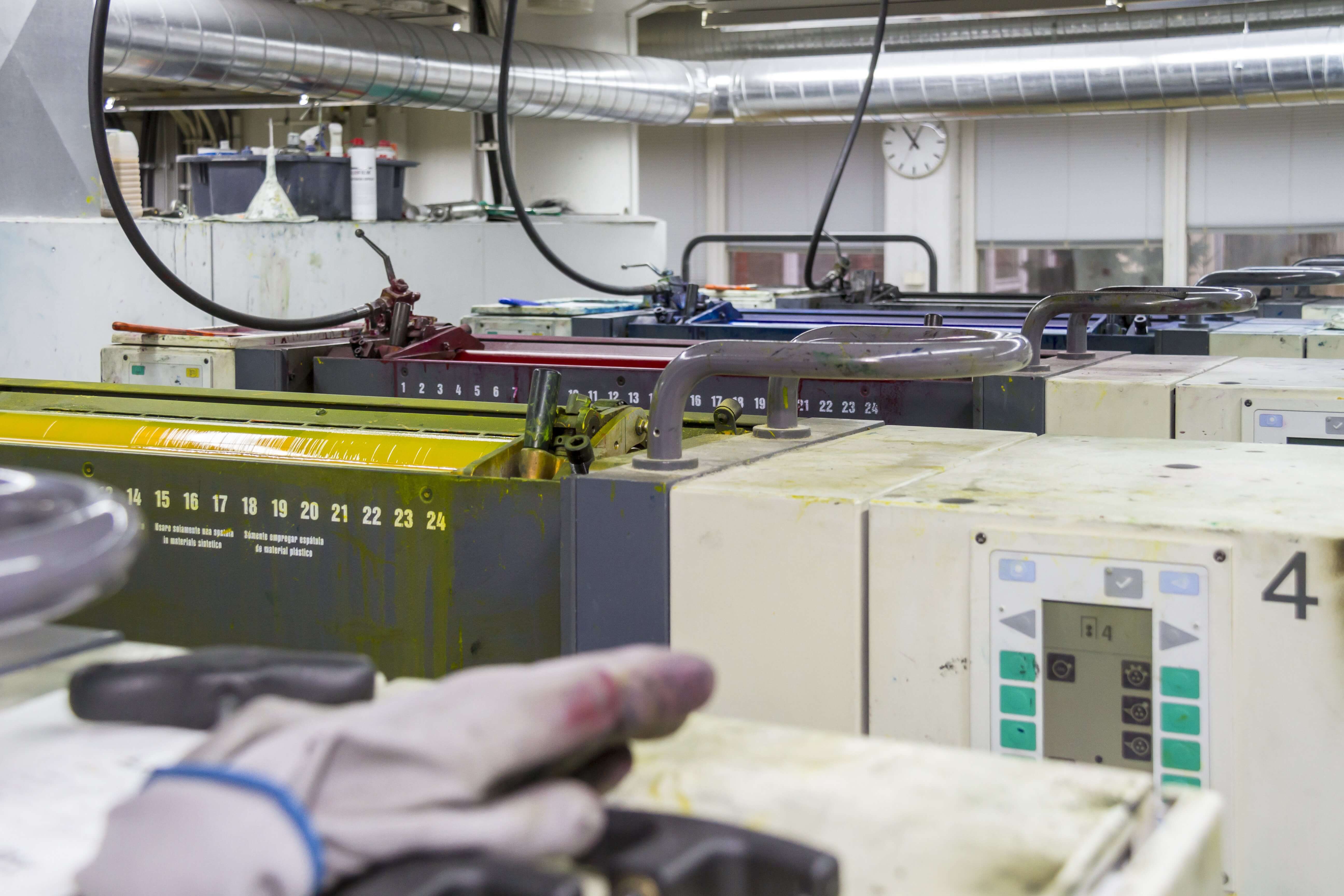
Offset printing transfers ink from a printing plate to an intermediate cylinder and then onto the material. The technology makes it possible to:
- produce sharp images;
- print small lettering;
- maintain consistent results throughout long production runs.
Offset printing on cardboard provides accurate graphic reproduction through colour consistency. Standard four-colour CMYK printing, additional inks, and agreed brand colours can be used. Because of the extra setup costs, this service is especially relevant for large print runs.
Screen printing on boxes
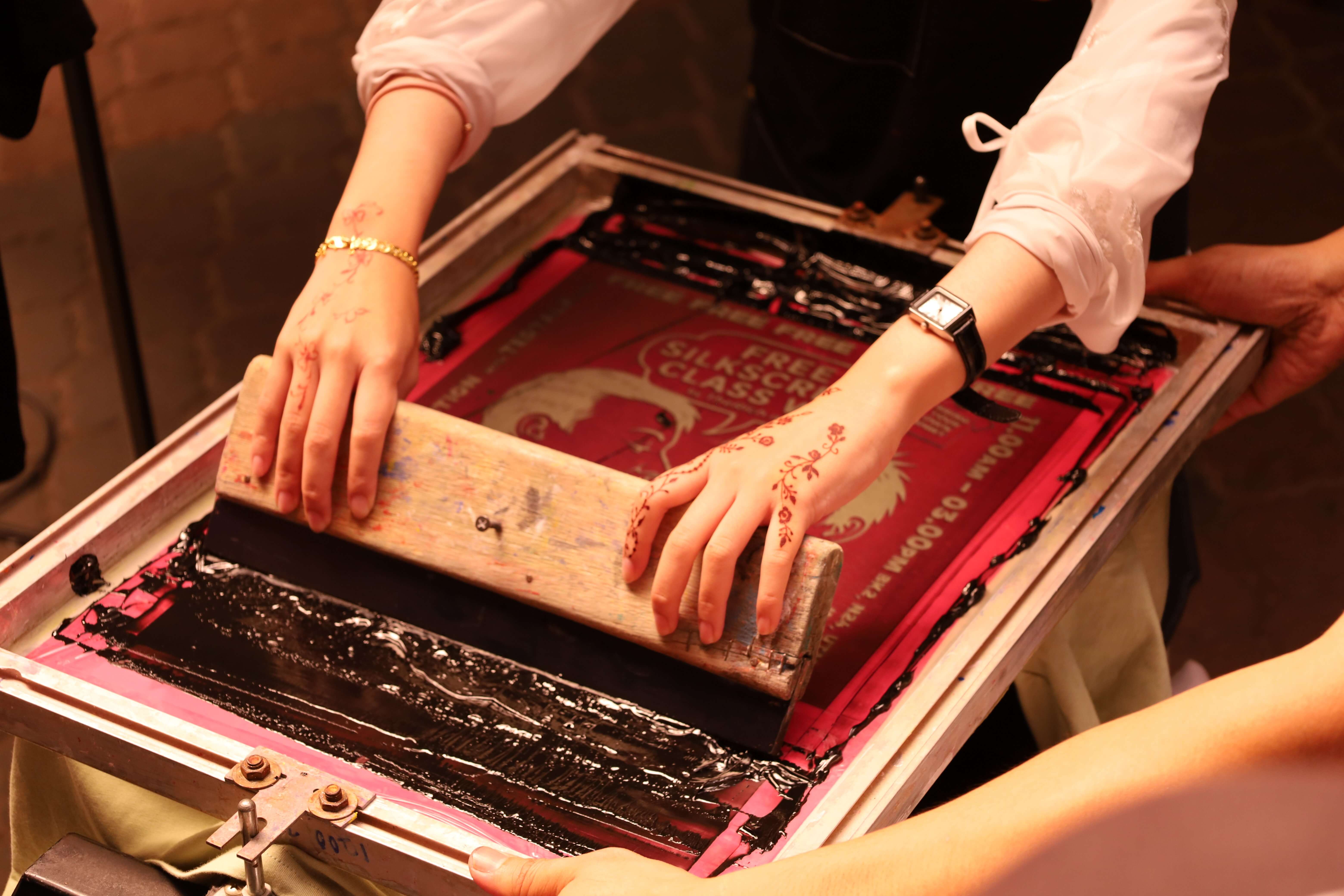
Screen printing pushes ink through the open areas of a special mesh. The comparatively thick, opaque ink layer produces rich colours even on dark substrates. The method can create striking accents and unusual effects. It can be used for printing on cardboard as well as on other compatible materials and surfaces. This technology is well suited to designs with a limited number of colours and clearly defined elements.
Embossing and UV varnishing
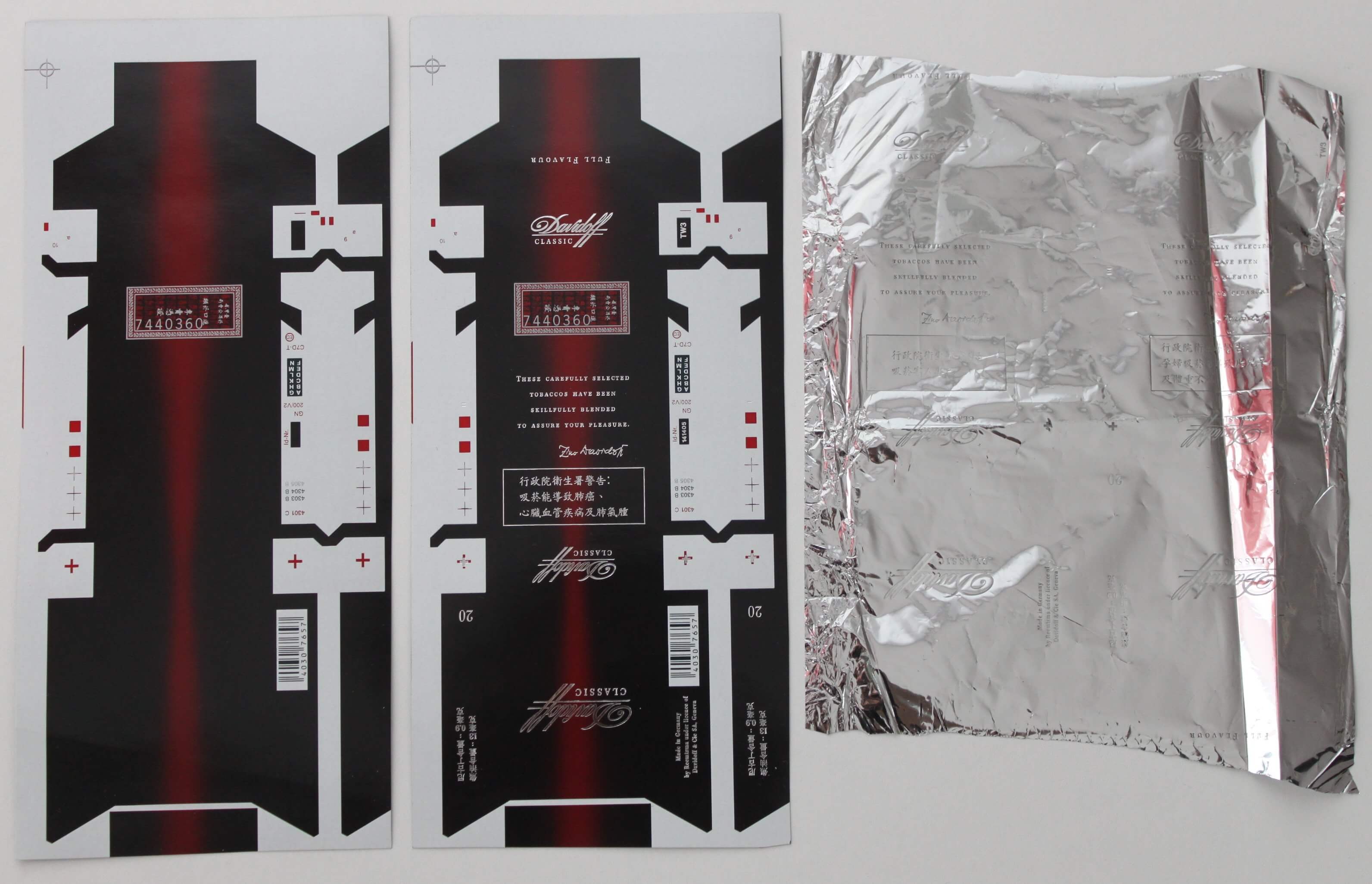
Additional finishing changes the appearance and tactile qualities of packaging. Options for highlighting design elements include:
- foil stamping;
- relief embossing;
- full-surface or spot UV varnishing.
The website explains more about using UV varnish to create branded packaging. These finishing methods complement basic text and image printing processes rather than replacing them.
How to choose a printing method
The final choice depends on print-run size, material, design, and finishing requirements. The table compares the main characteristics of box printing methods.
| Printing method | Digital | Offset | Screen printing |
|---|---|---|---|
| Print run | Small and medium | Medium and large | Small and medium, depending on the job |
| Material | Substrates compatible with the equipment | Mainly paper and board suited to the press | Various compatible surfaces |
| Number of colours | Full-colour printing | Full-colour printing and additional inks | Suitable for a limited palette |
| Setup speed | Fast | Slower because plates must be prepared | Depends on the number of colours and screen preparation |
| Budget | Cost-effective for small batches | Best suited to large runs | Depends on print area and artwork complexity |
| Finishing | Depends on the equipment | Extensive post-print finishing options | Special inks and effects are possible |
How to prepare artwork for box printing
The artwork should include the structural dieline, folding lines, die-cut outlines, and correctly positioned graphic elements. Key requirements include:
- colour mode — usually CMYK, with Pantone colours where required;
- bleed extends beyond the cutting line by the amount specified by the manufacturer;
- die-cut outlines (cutting, folding, and perforation lines) are indicated separately from the printed artwork.
Printing a logo on a box, as well as important text and fine details, requires consideration of the structure's fold, glue, and cut lines. Raster images must be prepared at a resolution suitable for the selected printing process, and fonts should be converted to outlines.