


The choice of packaging material affects appearance, wear resistance, and many other characteristics. Cardboard for boxes is selected to suit the contents and the way the packaging will be used. ATTOLIS offers packaging made from suitable materials, taking into account the product's characteristics and the brand's needs.
What cardboard is used for boxes?
Several factors should be considered when choosing a material for a future package:
- product weight;
- packaging construction;
- printing method;
- transport conditions;
- appearance requirements.
The heavier the contents, the stiffer the components need to be. Complex folding structures require packaging board that retains its shape after creasing and folding.
Main types of cardboard for packaging
Cardboard differs in fibre composition, production method, structure, and surface treatment. Common types used for boxes include:
- virgin-fibre paperboard;
- recycled paperboard;
- kraft board;
- designer board;
- bookbinding board;
- corrugated board;
- micro-corrugated board.
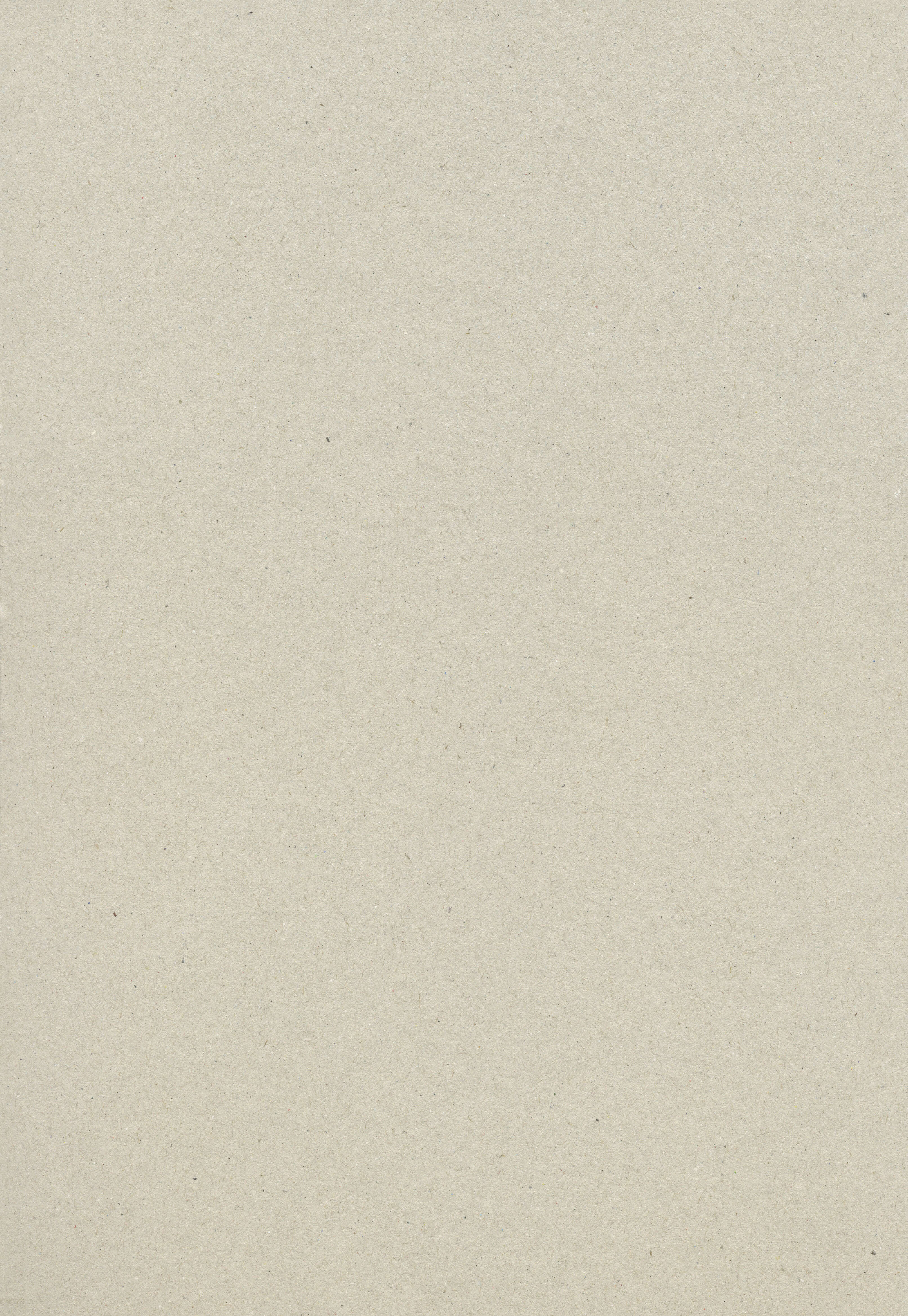
These materials are not always interchangeable. Designer paper can improve a package's appearance but cannot replace a strong structural base, while thin virgin-fibre board cannot provide sufficient cushioning.
Cardboard grammage and thickness
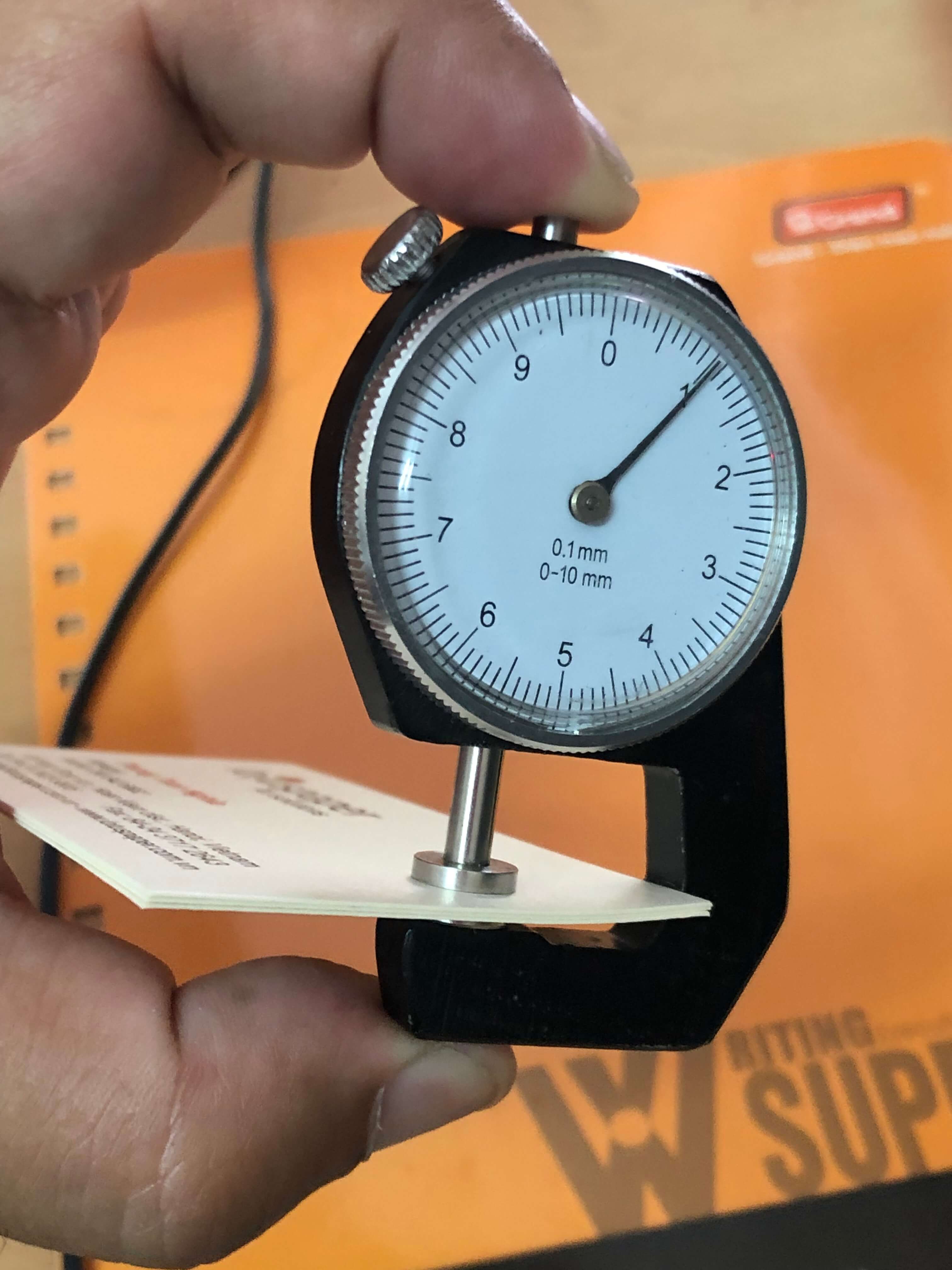
Cardboard grammage is measured in grams per square metre (g/m²). It indicates the mass of a sheet of a given area but does not describe its strength under load. For that, stiffness or resistance to bending must be considered. Stiffness depends on thickness, fibre structure, coating, and other board properties. These characteristics affect the construction by determining the distance between the sheet's surfaces and therefore fold dimensions, die-cutting accuracy, and the feasibility of complex shapes.
Corrugated and micro-corrugated cardboard
A corrugated structure absorbs some impact loads and resists compression. This packaging board is widely used to transport, store, and deliver goods that need additional protection. The main differences between grades relate to flute height and sheet construction:
- high flute profiles — used for shipping boxes where cushioning and stacking resistance matter;
- micro-corrugated board — has a more compact structure, making it possible to produce neat boxes with a relatively even surface for printing.
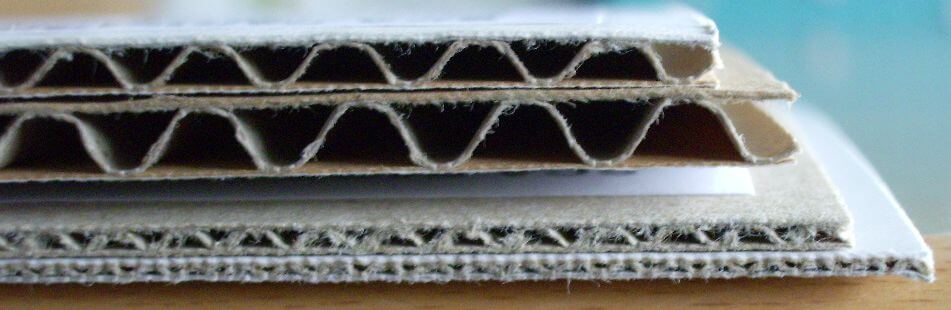
The number of layers also matters. Two-layer materials are used for certain wrapping and protective applications, while three-layer and five-layer boards are selected for boxes according to their required strength. More details about the material's characteristics and applications are available on the Micro-corrugated cardboard boxes page.
Which cardboard should you choose for different products?
The material must match the product's characteristics: weight, fragility, moisture sensitivity, and even the sales method. ATTOLIS makes designer cardboard boxes as well as other packaging products. The table outlines the main considerations.
| Product category | Suitable material | What to consider |
|---|---|---|
| Cosmetics | Virgin-fibre or coated paperboard | Whiteness, print sharpness, embossing options |
| Clothing | Medium-stiffness cardboard, designer board | Box shape, texture, appearance |
| Food | Specialised food packaging board | Food contact, barrier properties, storage conditions |
| Electronics | Corrugated board or a rigid structure with inserts | Cushioning, device retention, corner protection |
| Gifts | Designer or bookbinding board | Stiffness, decorative covering, finish quality |
| Shipping | Corrugated board of a suitable grade | Compression resistance, stacking, damage prevention |
How material affects printing and finishing
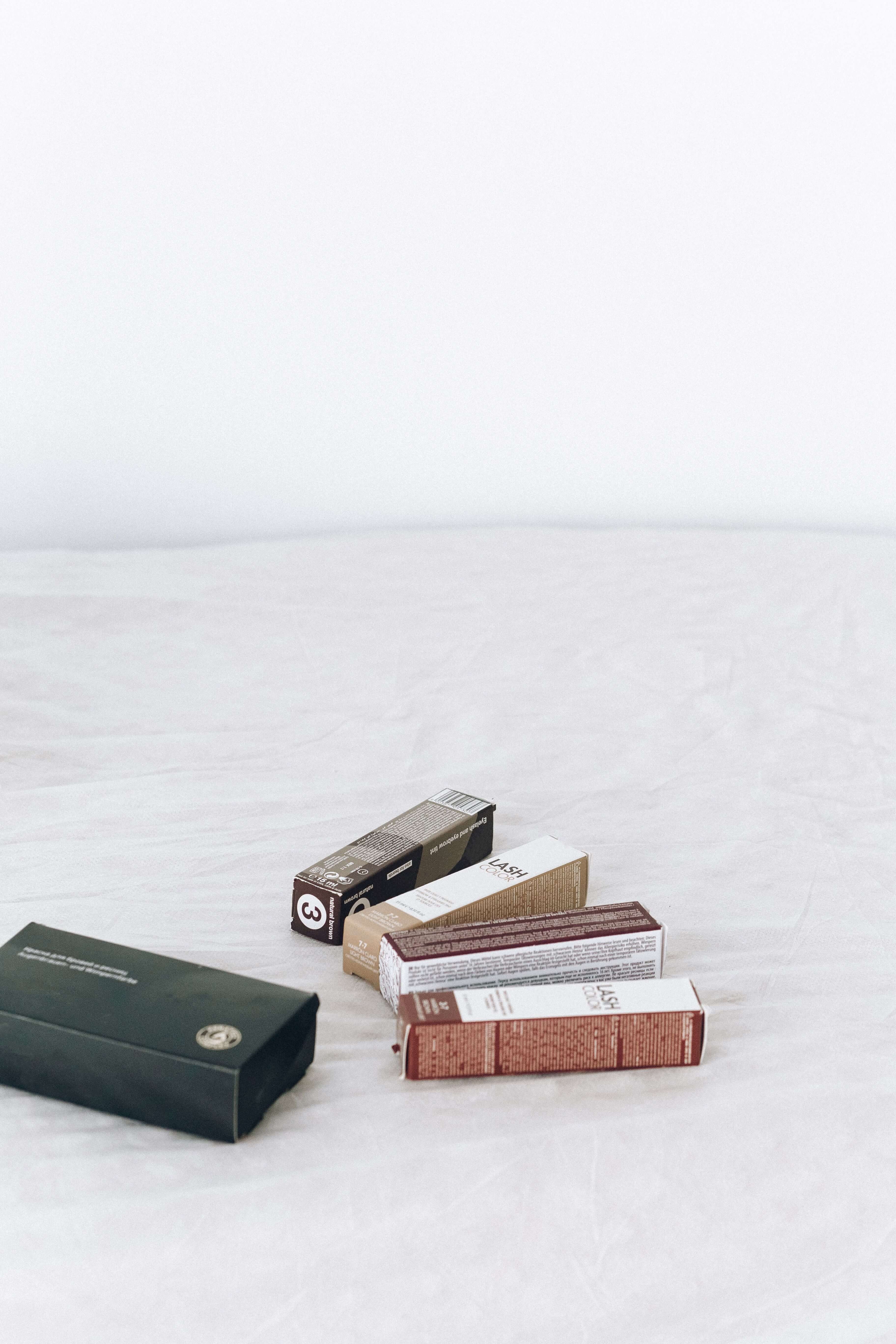
The chosen cardboard for printing determines how evenly ink is distributed, how fine details are reproduced, and what the final colour will look like. The same artwork can therefore look very different on smooth white board and rough brown board. Laminated corrugated board allows the use of a printed liner in the desired colour together with a stronger base.
Surface texture also affects the quality of UV varnishing: on smooth coatings, fine details and spot boundaries are more clearly defined, whereas on rough surfaces the relief may be less accurate and varnish may spread unevenly. For embossing, cardboard thickness and strength must be considered so the raised design retains its shape.