


Packaging for storage and transportation is one of the simplest items. But only at first glance. In fact, it is a carefully engineered structure where every layer, fold, and joint performs a specific function. What is a cardboard box made of? A detailed overview will help you better understand the features of this category of products.
Structure of a cardboard sheet
The characteristics of the material determine the compression resistance of the finished structure, the reliability of protecting the contents from impacts, and the suitability for printing. The base is formed by liners – flat layers, which are presented in several variations:
- top liner – the outer layer, used for applying printing, logos, and decorative elements;
- inner liner – responsible for the overall strength and stability of the material;
- kraft liners – made from virgin pulp, distinguished by high strength, tear resistance, and resistance to loads;
- test liners – made from recycled raw materials, which reduces manufacturing costs.
The structure of a cardboard box also includes fluting – the corrugation. This is a wavy layer, an «accordion», the task of which is to create an additional air layer for shock absorption and load resistance. The height and pitch of the fluting:
- Profile A – high flute with excellent cushioning properties;
- B – a denser structure with increased resistance to crushing;
- C – a universal option that combines rigidity and cushioning;
- E – micro-corrugated cardboard;
- F – ultra-thin flute.
Depending on the purpose of the corrugated cardboard boxes, individual layers are combined into different structures. Two-layer cardboard consists of one liner and one flute and is used for wrapping materials. The three-layer option includes two liners and one fluting, making it the most common. For heavy products, five-layer cardboard is used, consisting of three flat and two corrugated layers, which provide a significantly higher level of strength.
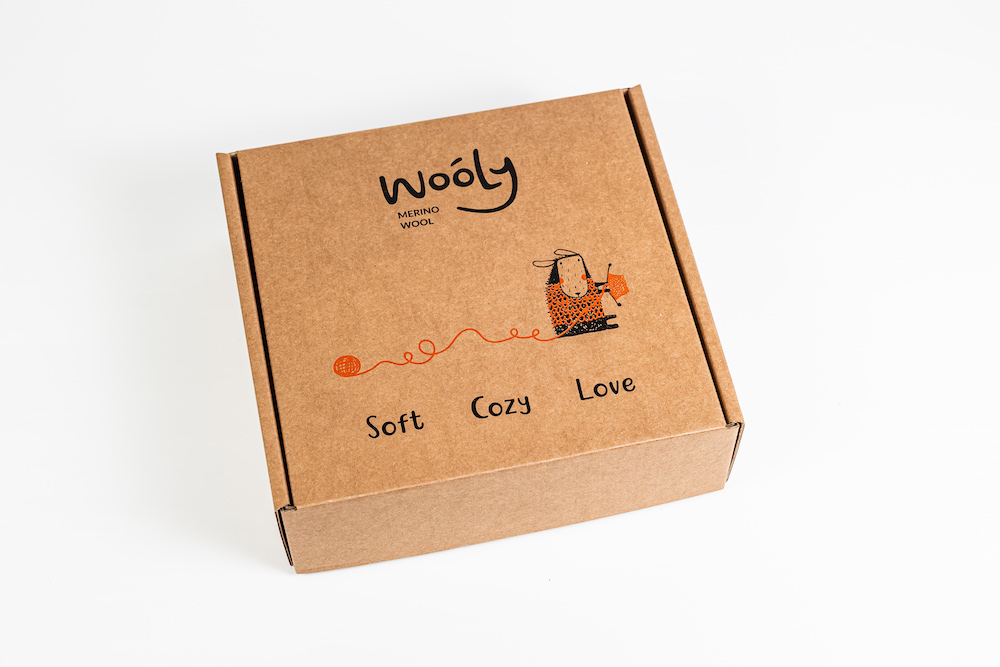
Main parts of a box
Regardless of size and purpose, almost any packaging consists of several basic elements. The structure of cardboard packaging:
- front wall – the front surface;
- back wall – the opposite part that provides rigidity;
- side walls – connect the main panels;
- bottom – bears the main load;
- top flaps – close the box from the top;
- bottom flaps – form the base;
- factory glued seam – connects the blank into a single structure;
- locking elements – used in self-assembling boxes.
In order for the parts of the box to form a reliable and stable structure, the precision of every detail is crucial. Even a slight deviation during die-cutting or creasing can lead to distortion of the structure and a decrease in strength.
Types of cardboard packaging designs
There are many options, and the most in-demand types of packaging solutions are:
- four-flap;
- self-assembling;
- with a hinged lid;
- lid and base;
- with internal partitions.
For a specific product and customer requirements, custom cardboard packaging can be developed. Managers will offer optimal solutions based on the budget, product specifics, as well as the purpose of the packaging and design features.
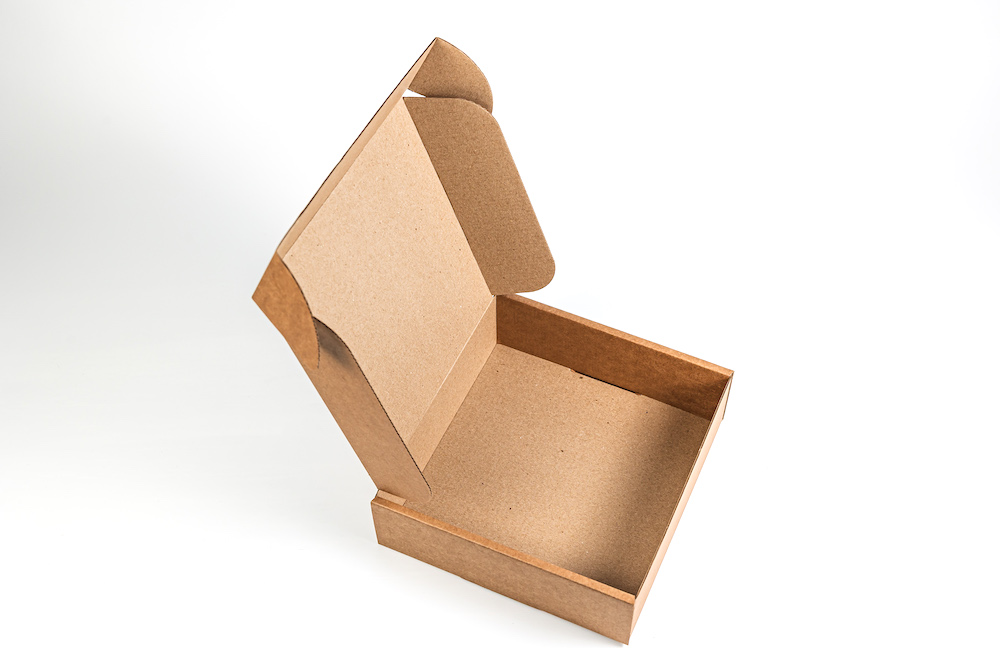
ATTOLIS – a supplier of cardboard packaging of any kind
Modern equipment makes it possible to create various design variations – from simple transport boxes to complex designer shapes. A wide range of post-press processing methods is available so that the finished product fully meets the customer's vision. Product packaging is made from high-quality materials – and this is a guarantee of its excellent strength, reliability, and durability.
Order a box from ATTOLIS
| Appearance | Manufacturing Material | Scope of Application |
|---|---|---|
 |
||
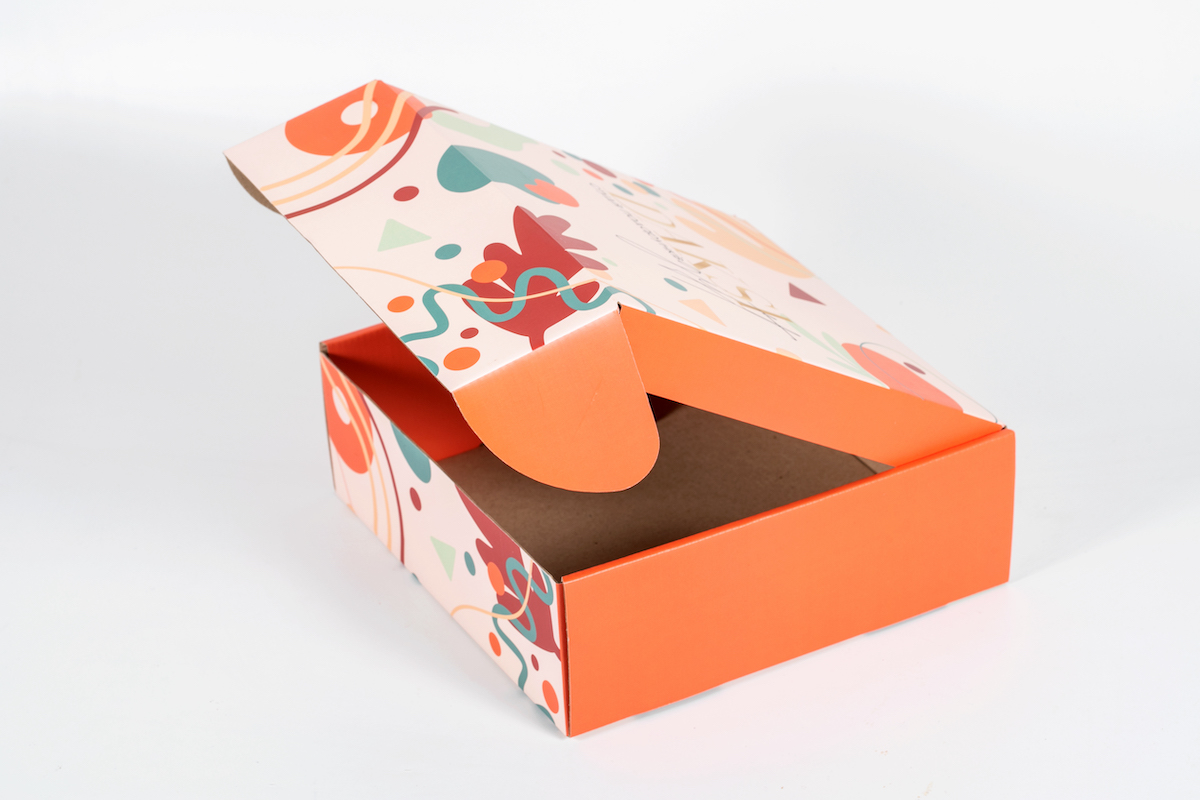
| Self-assembling boxes | cardboard, corrugated fiberboard, designer cardboard 200 mg (brand: T-22 E-wave) | packaging for food products; boxes for confectionery; children's goods packaging; for small appliances |
 |
||
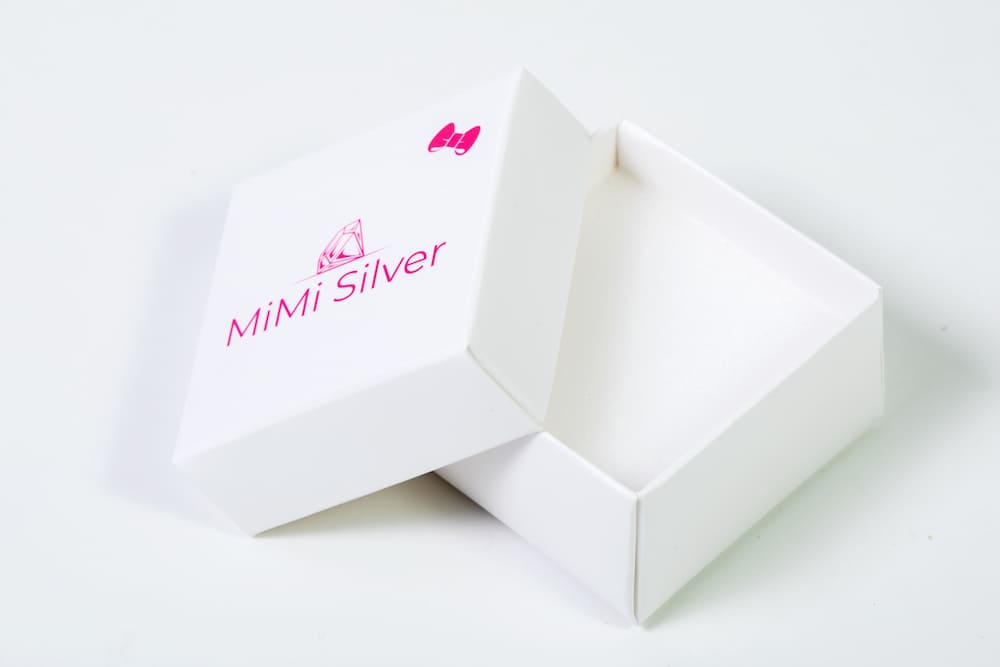
| Lid bottom | laminated cardboard, laminated corrugated cardboard, binding cardboard, micro-corrugated cardboard brands: T-22, T-24 (E-wave) | perfume packaging; boxes for jewelry; confectionery; gift products; bed linen |
 |
||
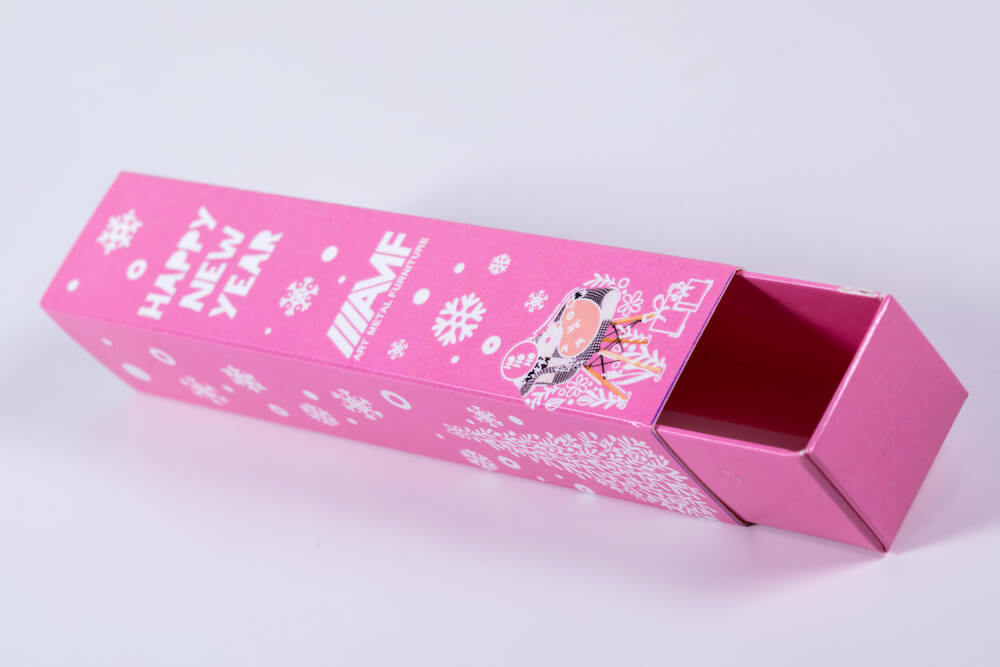
| Penal boxes | thin or thick cardboard (craft, plain, colored, or printed), cellulose cardboard (brand: T-22 cardboard density 275 g/sq. m.) | packaging for gift products; confectionery; children's goods |
 |
||
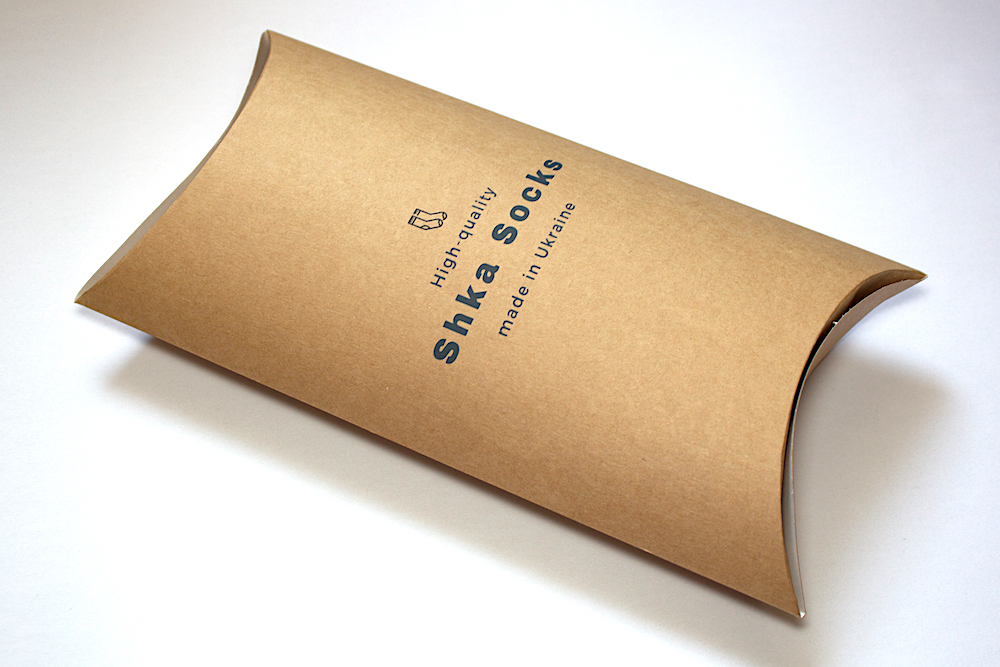
| Pillow boxes | Cardboard, brown kraft-catron (cardboard of 250 g/sq. m.) | sock packaging; jewelry or ornaments |
Special offer from ATTOLIS
Modern production equipment allows us to offer customers the widest range of services available. Experienced managers will select the optimal design options for packaging materials depending on the specifics of the goods and the positioning of the business. After agreeing on the terms of the project, a preliminary calculation will be performed. And to save money, it is profitable to order gift boxes with embossing in bulk – and large quantities will be promptly manufactured and delivered to the recipient.